
By: Brandon Bossenbeger
/
Reading time: 11 min.
Walk the edges of almost any large farm or ranch operation and you'll find ground the combine never touches and the cattle never graze. Timbered draws cutting through a row crop field. A creek corridor too wet to plant. Two hundred acres of CRP grass sitting under contract. Back-country on a cattle ranch too rough for the herd to work. Buffer land ringing a grain elevator or processing facility.
None of it shows up on a yield map. None of it factors into a rent roll. And on most large agricultural operations, it sits there generating exactly zero dollars in revenue year after year — not because it can't produce income, but because nobody on the operation has had the bandwidth, the insurance, or the vetted hunter network to do anything with it.
An agricultural hunting lease program changes that math. It's a fully managed way for large-scale row crop operations, cattle ranches, farmland investment funds, agricultural cooperatives, and multi-generational farm estates to convert non-cropped and non-grazed acreage into a predictable revenue stream — without changing a single thing about how the farm or ranch is actually operated.
Every Large Agricultural Operation Is Sitting on Unmonetized Ground
Scale is exactly what creates the opportunity here. A single 200-acre family farm might have a few odd acres along a fence line. A 10,000-acre grain operation, a multi-property cattle company, or a farmland fund holding tracts across three states is managing an entirely different order of magnitude of acreage that never enters production.
That ground tends to fall into a handful of recurring categories:
CRP and conservation acres: Land enrolled in the Conservation Reserve Program is already out of row crop production by design, and it’s frequently the best wildlife habitat on the entire operation — native grasses, food plots, pollinator strips, and cover that deer, turkey, and upland birds gravitate toward. It’s collecting an annual rental payment from the USDA Farm Service Agency’s Conservation Reserve Program, but that’s typically the only revenue line associated with it.
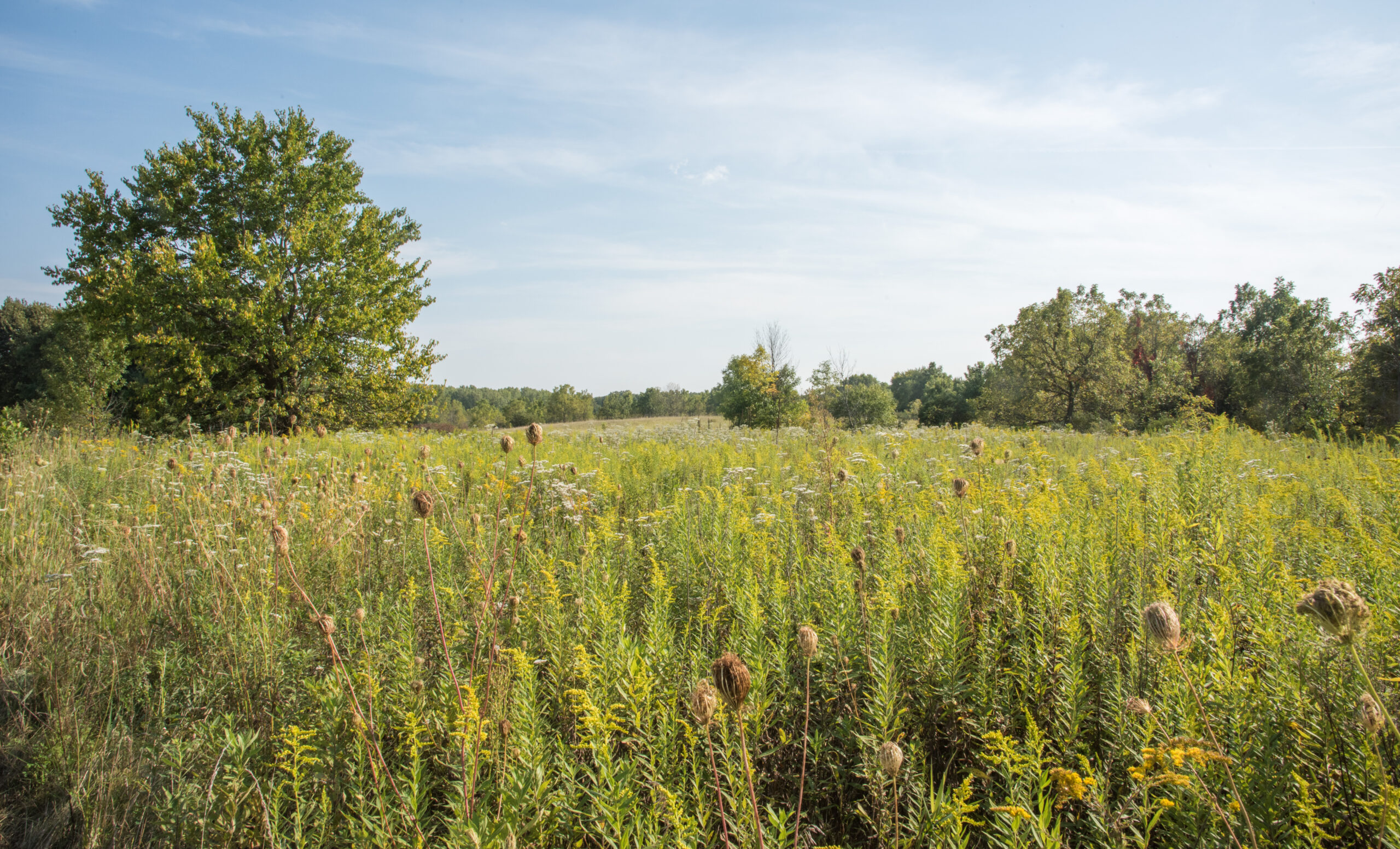
Enrolled CRP ground, with timber draws and fingers providing great deer habitat and additional income.
Timbered draws and waterways: Creek corridors, river bottoms, and wooded draws that cut through row crop ground are often too steep, too wet, or too irregular to farm economically. They're left standing timber and brush — exactly the terrain that holds deer and turkey on an otherwise open agricultural landscape.
Ranch back-country: Large cattle operations, particularly in the West and Southern Plains, often carry rough country, canyon breaks, or brush country that a herd rarely reaches during a normal grazing rotation. It's grazeable in theory and largely unused in practice.
Field borders and terraces: Odd-angled corners, terraced slopes too steep for efficient equipment passes, and buffer strips along property lines add up to real acreage on a large operation, even when no single parcel amounts to much on its own.
Facility buffer and reserve land: Grain cooperatives, seed companies, and agricultural processors frequently hold acreage around elevators, research plots, and processing facilities that exists as a buffer or reserve rather than active production ground.
Individually, each of these categories might look marginal. Aggregated across a large operation's full footprint, they represent a meaningful piece of the land base — one that a management team focused on planting, harvest, herd health, and grain movement rarely has the time to develop into a revenue line on its own.
Add it up across a real operation and the numbers get harder to ignore. A grain operation running 8,000 planted acres might easily carry another 400 to 600 acres of draws, waterways, terraces, and field borders woven through that footprint. A ranch running cattle across several leased and owned sections may have a quarter of its total acreage in back-country the herd barely touches. None of that shows up as a line item anywhere — until it's under a managed lease.
Why Most Large Operations Leave This Ground Unmonetized
The acreage sitting idle isn't a mystery to the people managing these operations. Most farm managers, ranch operators, and land management teams know exactly which draws, back-country tracts, and CRP fields are collecting hunters informally already. The gap isn't awareness — it's structure.
A handshake arrangement with a local hunter or two might bring in a token payment, or nothing at all beyond goodwill. It also brings real exposure with no real protection behind it: no formal lease agreement, no liability coverage sized for a farm management company or landholding LLC, no vetting of who's actually on the property, and no coordination with the people running day-to-day field or ranch operations. For an individual family farm, that informal arrangement might be tolerable. For a large-scale operation — with employees, equipment, tenant farmers, and deeper pockets that make a more attractive litigation target — it's a liability gap that outweighs whatever token revenue comes with it.
The other common outcome is simpler: nothing happens at all. The acreage sits idle because setting up a formal hunting lease program isn't core to running a grain operation, a cattle ranch, or a cooperative's facility footprint — and no one on staff owns it as a project. Between planting windows, harvest logistics, calving season, and grain movement, a hunting lease program is rarely urgent enough to become anyone's priority, even when everyone agrees the acreage could be generating revenue.
That's the specific gap a managed hunting lease program is built to close.
What a Managed Agricultural Hunting Lease Program Actually Does
A managed program takes the entire administrative and risk burden of leasing non-cropped acreage off the operation's plate and replaces the informal handshake model with a structured, insured system built for the scale of a large landholder.
That structure is precisely what turns acreage that's currently generating nothing — or generating informal risk with no offsetting revenue — into a predictable, low-effort income line that runs alongside the operation rather than competing with it.
The Questions Every Operation Asks First
Before committing to a program, most farm managers, ranch operators, and asset managers raise the same handful of concerns — and each one has a straightforward answer.
- Will hunters interfere with fieldwork or herd management? No. Lease terms and access windows are built around the operation's planting, spraying, harvest, and calving calendar, not the other way around. Hunting activity is scheduled to stay clear of active fieldwork and livestock handling, the same way any contractor or third party on the property would be.
- What about an existing farm tenant? A hunting lease is a separate agreement from a crop or grazing lease and can be structured to coordinate with, rather than conflict with, an operating tenant's equipment movement and field access.
- Does this affect CRP or other farm program payments? A hunting lease is a separate revenue stream layered on top of an existing CRP rental payment or other farm program participation — it doesn't alter the underlying contract.
- Who is actually allowed on the property? Every lessee is vetted before access is granted, and lease terms define exactly where they can go, which closes off the open-access uncertainty that comes with an informal arrangement.
- What if something goes wrong? This is the question a large operation should weigh most carefully, and it's the reason the liability structure exists in the first place — covered in more detail below.
A Model Already Proven With Large Institutional Landholders
This isn't an unproven concept being tested for the first time on agricultural ground. Base Camp Leasing already runs this exact model for other large-scale landholder categories: aggregate and mining companies leasing reclamation and buffer land around active pits, and institutional investors managing timberland and land portfolios across multiple states. Those industries share the same core profile as a large agricultural operation — significant acreage that doesn't factor into the primary business, a need for liability protection that scales with the size of the enterprise, and no internal bandwidth to run a leasing program as a side project.
The corporate landholder program already lists agriculture among the industries it serves, alongside aggregate, mining, timber, and railroad landholders. The aggregate partners program is the clearest parallel: mapped no-go zones around active operations, a single managed relationship across an entire portfolio, and liability coverage sized for a corporate landholder rather than an individual owner. The same framework — adapted for planting and harvest schedules instead of active-pit boundaries, and calving season instead of blasting schedules — is exactly what a managed agricultural hunting lease program applies to farm and ranch ground.
Where This Fits Across a Large Agricultural Operation
The specifics look different depending on what kind of agricultural landholder is running the program, but the underlying opportunity is the same everywhere:
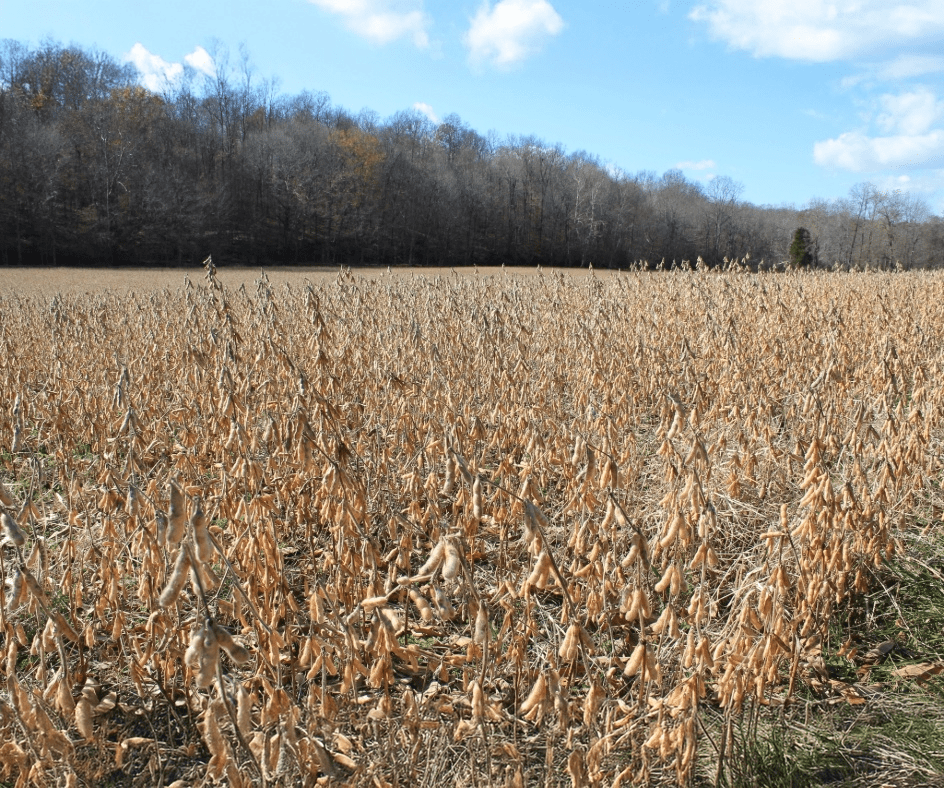
A large row crop operation growing corn, soybeans, cotton, or wheat across thousands of acres holds timbered draws, creek corridors, and field borders that never enter the rotation. A cattle ranch — particularly a corporate or multi-property operation — holds back-country and rough terrain that sits outside the working grazing rotation most of the year. A farmland investment fund or REIT holds acreage across dozens of tenant-operated properties where cash rent already flows but hunting rights were never separately considered. An agricultural cooperative or grain processor holds buffer and reserve land around facilities that exists for operational flexibility, not production. And a multi-generational farm estate, passed down across several heirs, often holds ground nobody has actively farmed or hunted in years while ownership questions get sorted out.
In every case, the acreage exists already. The only question is whether it sits idle — or generates revenue under a program that's insured, managed, and built to run alongside the operation rather than disrupt it.
Why the Liability Question Matters More at Scale
An individual family farm allowing a neighbor to hunt for free often relies on a state recreational use statute for liability protection. Large agricultural operations shouldn't assume that same protection applies once money changes hands — in most states, charging any kind of lease fee affects that statutory immunity. That gap in coverage carries more weight for a farm management company, a landholding LLC, or a multi-property operation than it does for an individual owner, simply because there's more at stake: employees on the property, tenant operators with their own equipment and liability exposure, and an enterprise that presents a larger target in the event of a claim.
A managed program is built around that reality rather than around it. The $5 million per-property liability policy behind every lease isn't a generic add-on — it's structured specifically to replace the protection a large landholder loses the moment a lease fee is introduced, and it's paired with a formal, waiver-backed lease agreement rather than a verbal understanding.
Getting Started
For a large agricultural landholder, the first step isn't a major operational change — it's an honest inventory of the acreage that already isn't in production or active grazing: CRP contracts, timbered draws, back-country, field borders, and buffer land around any facilities. From there, a managed program can be scoped to the operation's specific footprint, schedule, and risk profile, with the liability coverage, hunter vetting, and single-point-of-contact structure already proven across other large-scale landholder categories.
For a deeper look at how the leasing process works end to end, see how to lease your hunting land. For more on the liability question specifically — including what changes once a lease fee is involved — see understanding landowner liability and hunting lease insurance. For the legal framework behind agricultural land leasing more broadly, the National Agricultural Law Center's overview of agricultural leases is a useful reference.
Base Camp Leasing already manages hunting lease portfolios for aggregate, mining, timber, and investment landholders across the country. Agriculture is the next vertical — and the acreage to build it on is already sitting on operations everywhere, waiting for a program built to unlock it.