
By: Brandon Bossenbeger
/
Reading time: 8 min.
There was a time when harvesting does was a “taboo” in the hunting world. Deer camps across the country had strict rules for buck harvests only. As hunters became more educated on deer and habitat management, the push for shooting antlerless deer surged. Hunters would proudly harvest multiple does a year – to fill their freezers and feed their families. However, with the “Big Buck Craze” doe hunting has no longer been deemed “cool” and the result is that doe populations have started getting out of control in many areas of the country.
It is important to note that there are regions in the country that do suffer from suppressed deer numbers due to many factors such as EHD outbreaks, poor habitat, excessive hunting, extreme weather conditions and an over population of predators. These pockets of low deer numbers should have a more conservative management strategy, when it comes to deer harvests.
Here is why making the decision to shoot more antlerless deer this season could be one of the best things you can do for your hunting property.
Deer Herd Management
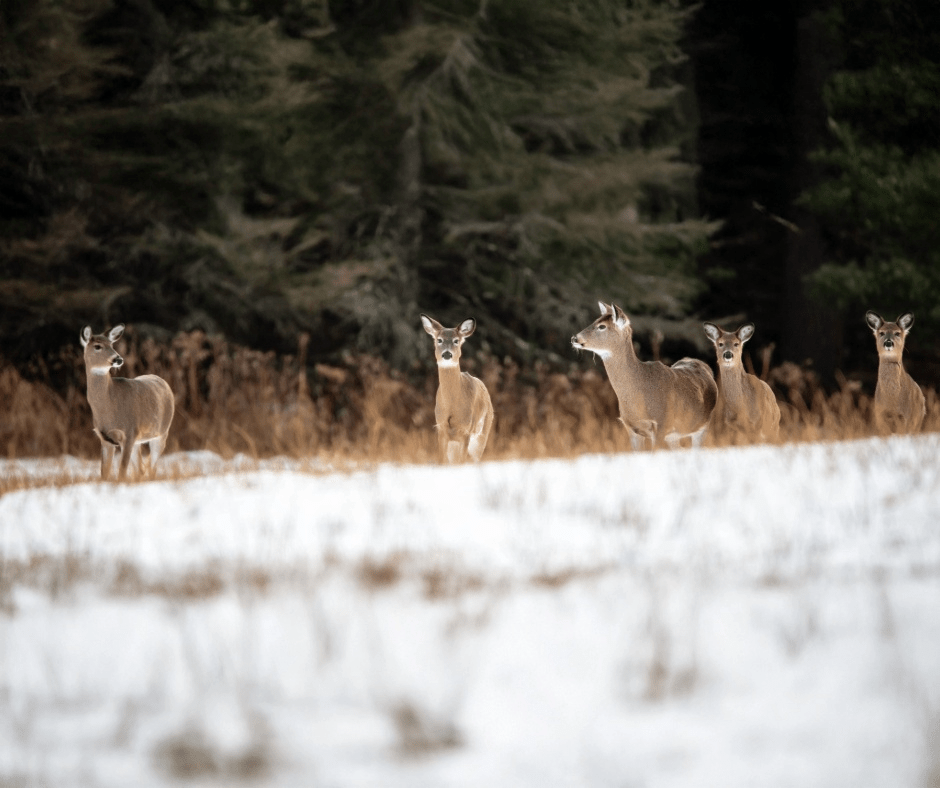
There is a common misconception when it comes to harvesting does for herd and ratio management. To effectively manage the doe population and herd numbers, it often requires harvesting significantly more does than what many hunters think. This of course depends on the property acreage, the neighborhood and the current buck to doe ratio. For example if you’re hunting a 300 acre property and the buck to doe ratio is 1:6 (1 buck to every 6 does), harvesting 4 or 5 does a year will likely not have an effect on your ratios. This is especially true if the neighboring properties are also not shooting any does.
A foundational role of elite land management requires a balanced buck to doe population ratio. When a property is overrun with does, the bucks simply do not have to work hard to find a receptive female. If a mature buck can step out of his bed and immediately find a doe in estrus, it is less likely that you will see him up and cruising hard looking for a “hot doe”. The rut on your farm could feel very slow and inactive at times.
By harvesting more does, you can tighten that ratio. A heavily skewed sex ratio can influence how bucks behave during the rut. When receptive does are less concentrated, bucks may have to cover more ground searching for breeding opportunities, potentially creating more daylight rut activity and observable movement.
The "My Neighbor Will Does" Mentality
One of the biggest problems with antlerless management is the assumption that someone else will do it. "I'll let that doe walk. My neighbor will probably shoot one." Then the neighbor thinks the same thing. Multiply that mentality across an entire hunting community and suddenly very few antlerless deer are being harvested. The solution isn't for every hunter to shoot every doe they see. The solution is for hunters to understand the deer herd they're hunting and participate in sensible management strategy for that area. Communicate with your neighbors, landowners and hunting partners.
Saving the Habitat (and Your Food Plots)
The hunting culture has shifted toward passing young bucks, and holding out for the big mature buck that has been on camera of all year. This has inadvertently led to hunters passing on does as well, causing local populations to push the limits of their habitat's carrying capacity. Your property can only support a certain number of deer before the habitat starts to decline. Every property has a biological carrying capacity. Every extra mouth on the property means less native browse and more pressure on your food plots and row crops. Maintaining a healthy ecosystem requires keeping the deer population in balance with what your land can naturally support.
If you’ve ever planted a lush food plot in the summer, only to watch it get grazed down to the dirt before the first frost, an overpopulated doe herd is likely the culprit. Harvesting antlerless deer ensures that there is plenty of food left for the deer to eat throughout the season and through the winter. When the herd size matches what the land can handle, the deer on the property feel less competition, social stress, and tend to be generally healthier. The herd has a better chance of surviving the winter when your property can supply an abundant amount of fall and winter food. The fawns tend to carry more body weight, and the bucks have the nutrition necessary for maximum antler growth the following year.
Social Stress and Buck Dispersal
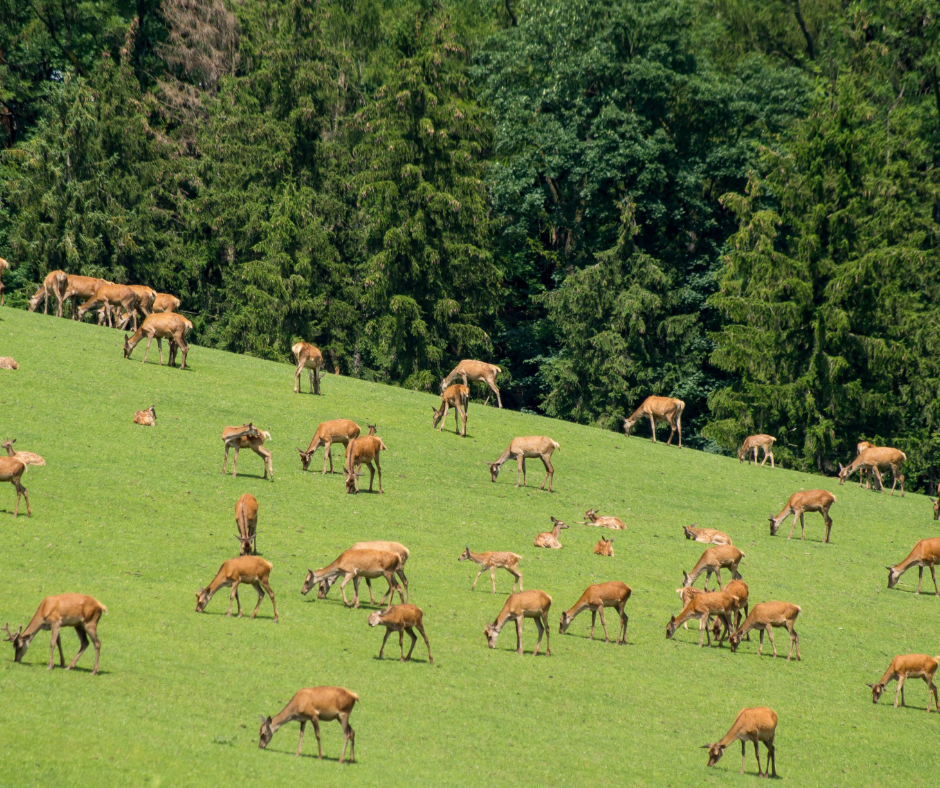
Social Stress: An overpopulation of antlerless deer undoubtedly affects the bucks on your property. As a whitetail buck ages, his entire personality and daily routine shift. A yearling buck is a highly social, curious animal that acts like an overgrown fawn. By the time that same buck reaches maturity (4.5 years old or older), he has become a solitary, highly calculated survivor with virtually zero tolerance for stress and pressure. For a mature buck, high social pressure from other deer is a source of stress and a security risk. Ultimately, a mature buck wants to live in a low-stress, highly secure environment. If your target buck is feeling social stress every time he goes to feed or bed, he will likely leave your property. Properties that maintain a balanced herd—which naturally reduces social friction, feeding and bedding competition, are the properties that tend to successfully hold the oldest deer in the neighborhood.
Buck Dispersal: One of the most misunderstood behaviors in whitetail management is buck dispersal. As young male deer mature, they are much more likely than females to leave the area where they were born and establish a new home range. This behavior, known as natal dispersal, is an important part of whitetail biology and helps reduce the likelihood of young bucks breeding with close female relatives.
Maternal behavior can play an important role in this process. As a doe approaches another fawning season, her relationship with her previous year's fawn can change. Yearling bucks may experience increased aggression or social separation from their mothers, encouraging them to become more independent and eventually move away from their natal range. By shooting multiple does a year - especially the ones with button buck fawns, may reduce the likelihood of those young bucks dispersing from their birth area and increase the odds of them remaining on the property as they mature.
The Ultimate Freezer Filler
Harvesting deer specifically for the freezer can be one of the most rewarding aspects of hunting. It provides clean, lean protein while deepening your connection to the field-to-table process. Venison is a nutritional powerhouse that outperforms commercial beef in almost every category:
- Ultra-Lean: Venison is exceptionally low in fat, particularly saturated fat. Because whitetails are highly active and eat a natural diet of native browse and mast, their meat is incredibly lean.
- Nutrient-Dense: Packed with high-quality protein, zinc, and iron. It is also an excellent source of B vitamins, particularly B12 and Riboflavin.
- Zero Additives: Wild venison is free from the synthetic hormones, antibiotics, and commercial feed additives found in industrial agriculture.
The biggest myth surrounding venison is that it naturally tastes "gamey." In reality, a gamey flavor is almost always the result of poor field care and handling. The logistical execution of your harvest dictates the flavor long before the meat hits a skillet.
The Shot: A clean, highly lethal shot ensures the deer expires quickly and calmly. If a deer is pushed or stressed for hours, lactic acid builds up in the muscles, which can negatively alter the flavor and tenderness of the meat.
Temperature Control: Heat is the enemy of all wild game meats. The immediate priority after recovery is cooling the carcass. Getting the deer field-dressed, skinned, and quartered quickly allows the body heat to escape, ensuring the meat stays fresh.
Aging: Many hunters hang their venison in a walk-in cooler or use the "dry-aging" method in a controlled refrigerator for 7 to 14 days before butchering and freezing. This allows the natural enzymes in the meat to break down the muscle fibers, resulting in a much more tender cut.
What Happens If Hunters Don't Manage The Deer?
This is perhaps the most important part of the conversation: deer don't stop reproducing because hunters choose not to harvest antlerless deer.
When deer populations grow beyond what the habitat can reasonably support, the problem doesn't simply disappear. If hunters aren't willing to do their part through regulated harvest, wildlife agencies and state governments will be forced to consider other population-control measures. Targeted removal efforts such as professional sharpshooting, expanded seasons, increased antlerless quotas and other regulatory actions.
Harvesting an antlerless deer isn't simply about filling a tag. It's about maintaining a healthy deer herd, protecting the habitat that supports it and ensuring that future generations have the opportunity to experience the same resource we enjoy today. We can't demand a voice in wildlife management while refusing to participate in the management process. If we want hunting to remain the primary tool for managing deer populations, hunters have to be willing to do the work.
Managing antlerless deer isn't taking something away from hunting. It's one of the things that protects hunting
The Bottom Line
I firmly believe that the best way to get good at shooting deer is by shooting more deer. Every encounter with a deer is unique and an opportunity to learn. Practicing the process and getting real experience by shooting a doe is a great way to sharpen your skills before chasing your target buck. It’s also a great way to introduce kids and new hunters to hunting and the outdoors. Taking a doe or two early in the archery season takes the pressure off, and fill the freezer. It is easy to get tunnel vision on the big bucks. If you want a property that consistently holds mature deer and produces explosive rut action, you need to look at the bigger picture. The responsibility belongs to us hunters.