

By: Brandon Bossenbeger
/
Reading time: 8 min.
You closed on the land. Maybe it’s forty acres you picked up alongside a bigger farm, a couple hundred acres of cutover timber ground, or a raw parcel you found on an online land marketplace because the price and the growth story made sense. Either way, the purchase agreement is signed, the deed is recorded, and now you’re staring at a piece of dirt that, at least for now, does nothing but sit there.
That gap between closing day and whatever comes next — a sale, a build, a harvest, a long hold for appreciation — is where a lot of first-time and small-scale land investors get stuck. The land is an asset on paper. In practice, it’s a property tax bill, an insurance premium, and a phone call to a property manager or an out-of-state trip every time you want to check on it. If you’re in the research phase before buying, or you just closed and are wondering what to do next, the real question isn’t whether the land will appreciate. It’s what it can do for you in the meantime.
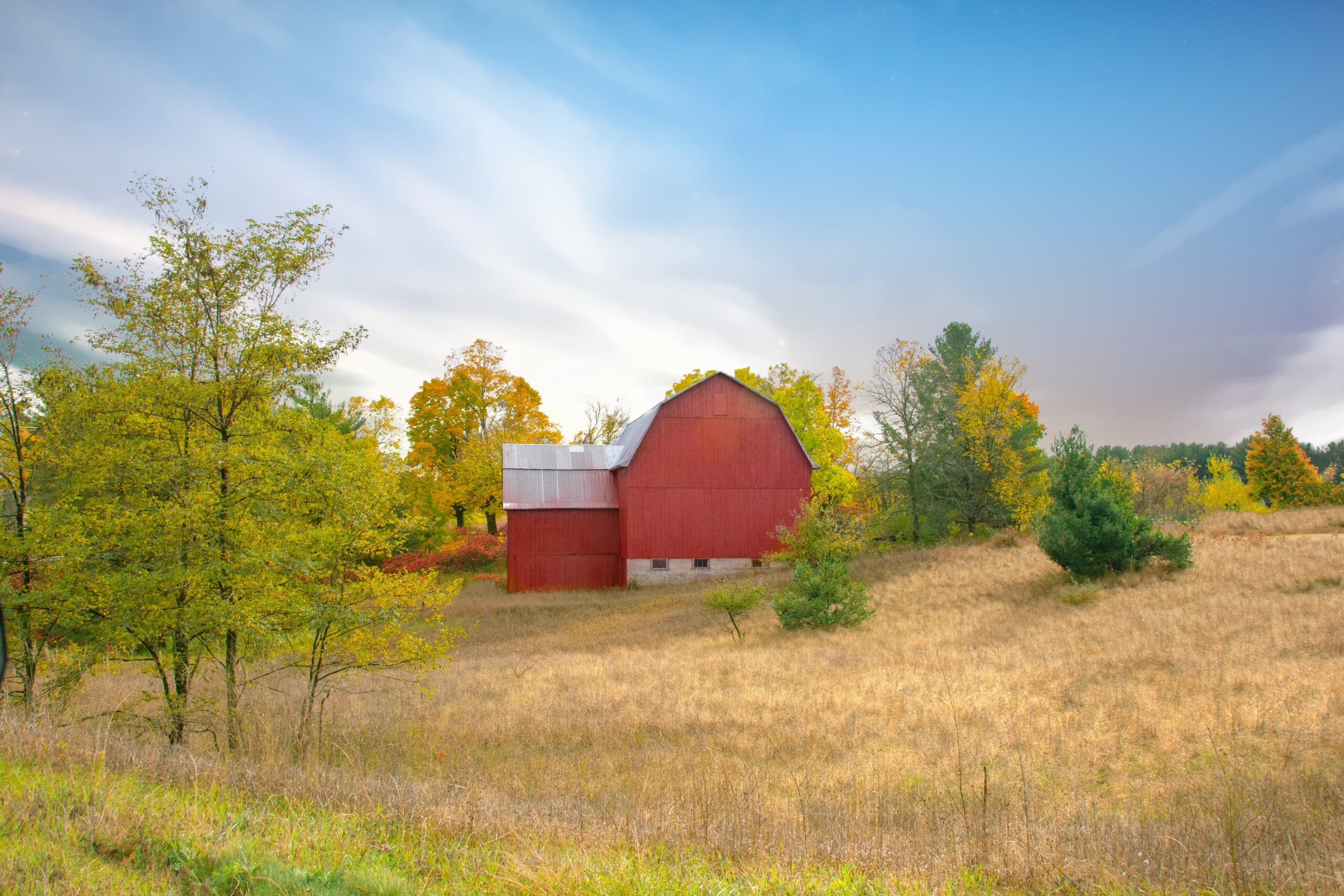
The two situations are actually pretty similar. If you're still evaluating a parcel, knowing there's a realistic income plan waiting on the other side of closing changes the math on the purchase itself — it's one more line of return alongside appreciation, not just a hope. And if you already own the land, you're not stuck choosing between an expensive improvement project and doing nothing. There's a middle option that asks almost nothing of you and still puts a check in your hand.
There are a handful of realistic ways to put idle investment land to work. Some take real effort. Some require improvements you may not want to make on land you're planning to hold and eventually sell. And one — a managed hunting lease — tends to fit the way a smaller, non-institutional investor actually wants to own land: hands-off, low-commitment, and easy to unwind when your plans change.
Scoring the Realistic Options: Effort vs. Revenue
Before picking a path, it helps to size up the honest tradeoffs. Every option below can generate income from land you're not actively using — but they don't cost the same in time, money, or flexibility, and that matters most to an investor who bought land to hold, not to run a second business.
Putting Numbers to It
Say you closed on 150 acres of mixed timber and open ground as a straightforward buy-and-hold investment. Left idle, that parcel might cost you $1,500 to $2,500 a year in property taxes and insurance, with zero income to offset it — a real, negative carry that eats into whatever appreciation you're counting on. Because the ground is a mix of woods and open acreage rather than cleared cropland, it likely doesn't qualify for a CRP program, farm or grazing lease without real investment first. Structured as a managed hunting lease instead, that same 150 acres could realistically generate income well into that range or beyond, depending on region, habitat quality, and game density — turning a line-item expense into a break-even or profitable holding without spending a dollar on improvements. The exact number depends on the property, which is why a no-obligation quote is worth getting before you decide anything.
Why a Managed Hunting Lease Usually Wins for This Kind of Investor
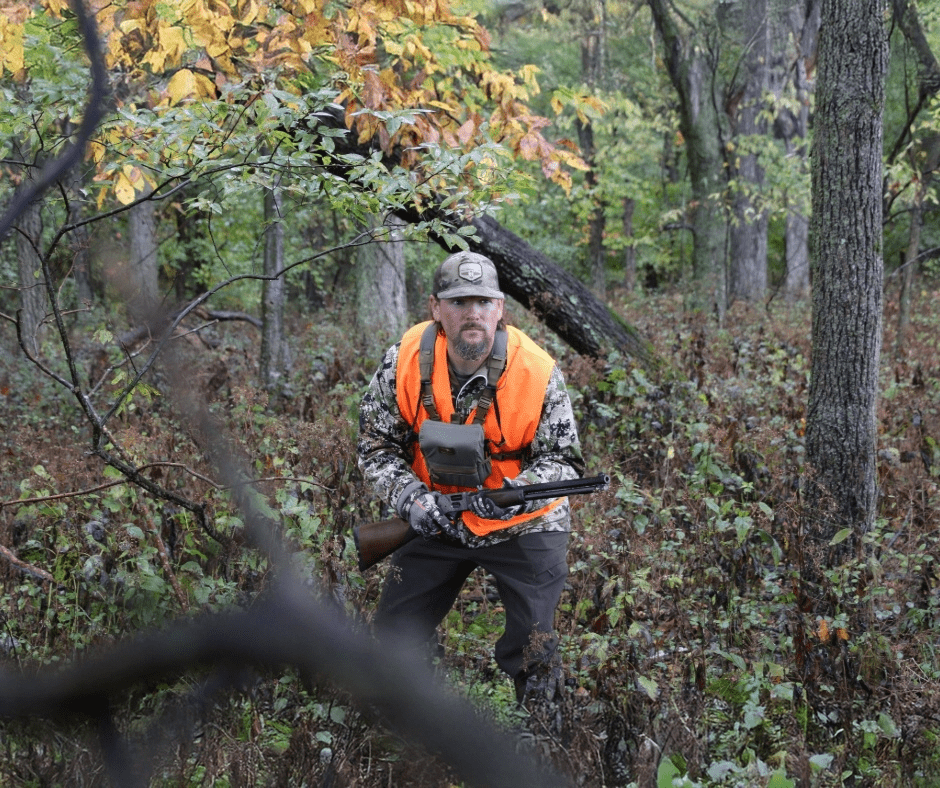
The reason a managed hunting lease tends to be the default recommendation for smaller and first-time land investors comes down to what it doesn't require. There's no crop to plant, no herd to manage, no capital improvement to finance before the land can produce anything. It works on land in exactly the condition you bought it in, and it can start generating revenue well before you've decided whether you're holding for five years or fifty.
Every hunter operates under a signed lease agreement that spells out access rules, boundaries, and conduct expectations. The arrangement is backed by a liability insurance policy carried on the lease. And because the land is being actively used and watched by people with a direct interest in respecting it, most owners find it deters the trespassing and dumping problems that plague land nobody visits — not because anyone was vetted, but because the land is no longer sitting unattended.
Combine that with a lease structure that lets you set the terms — how many hunters, what activities are allowed, when the lease renews or ends — and you get income without handing over control of the property or committing to a tenant relationship that outlasts your investment horizon.
What This Actually Looks Like on a Smaller Parcel
This isn't a strategy built only for landholders with thousands of acres. A hunting lease scales down as easily as it scales up: the same lease structure, the same insurance backing, and the same hands-off administration apply whether the tract is 4,000 acres or 40. If you're weighing whether your parcel even qualifies, that's covered in more depth in the next article in this series — for now, the short answer is that habitat and access matter far more than acreage.
It also doesn't require you to give up your own use of the property. Most lease agreements are written to preserve the owner's access, so an investor who wants to walk the property, check on improvements, or bring family out to hunt themselves can build that into the terms rather than losing it by default. That flexibility matters for an investor who isn't sure yet whether this parcel is a five-year hold, a ten-year hold, or something they'll eventually want to use personally.
Base Camp Leasing's Investment Partners program is built around exactly this kind of investor — someone holding land for its return, not running it as a working operation — with an acreage-tier quote process that starts small. And the underlying economics aren't unique to hunting leases: the USDA's Cash Rents Survey shows the same principle at work across farmland — even modest acreage can generate a meaningful annual return when it's leased instead of left idle, whether the tenant is a farmer or a hunter.
What Actually Happens After You Sign Up
The process is intentionally simple, because the whole point is that it shouldn't feel like a second job. It typically starts with a free property evaluation — a short intake covering acreage, location, habitat, and access — followed by a quote for what the tract could realistically earn. From there, a lease agreement is drawn up around your specific property and preferences: how many hunters, what's off-limits, when the term starts and ends. Once hunters sign on through the platform and the lease is active, administration, payment collection, and the liability insurance policy are handled for you. You're not fielding calls from hunters, chasing down payments, or drafting your own contract — you're checking a bank deposit.
Getting Started While You're Still Deciding
You don't have to know exactly how long you're holding the land, or what you're ultimately doing with it, to start collecting income from it. A managed hunting lease can run alongside a longer-term appreciation play, get renegotiated or ended if your plans change, and requires nothing from you beyond the initial setup. If you're still in the research phase before buying, or you closed recently and are weighing your options, a free, no-obligation quote through Base Camp Leasing's investment program is a reasonable next step to see what a specific property could realistically earn.
The land you bought as an investment doesn't have to sit and wait with you. It can start paying you back the day the lease is signed.