

By: Brandon Bossenbeger
/
Reading time: 9 min.
Owning farmland doesn’t look the same for everybody. Maybe it’s been in the family for four generations and you’re the one who ended up with the deed. Maybe you bought forty acres of tillable ground a year ago as your first real investment outside the stock market. Maybe an aunt or a grandparent passed away and left you a quarter-section you’re still not sure what to do with. However you got here, the question is usually the same: is this farm earning what it should?
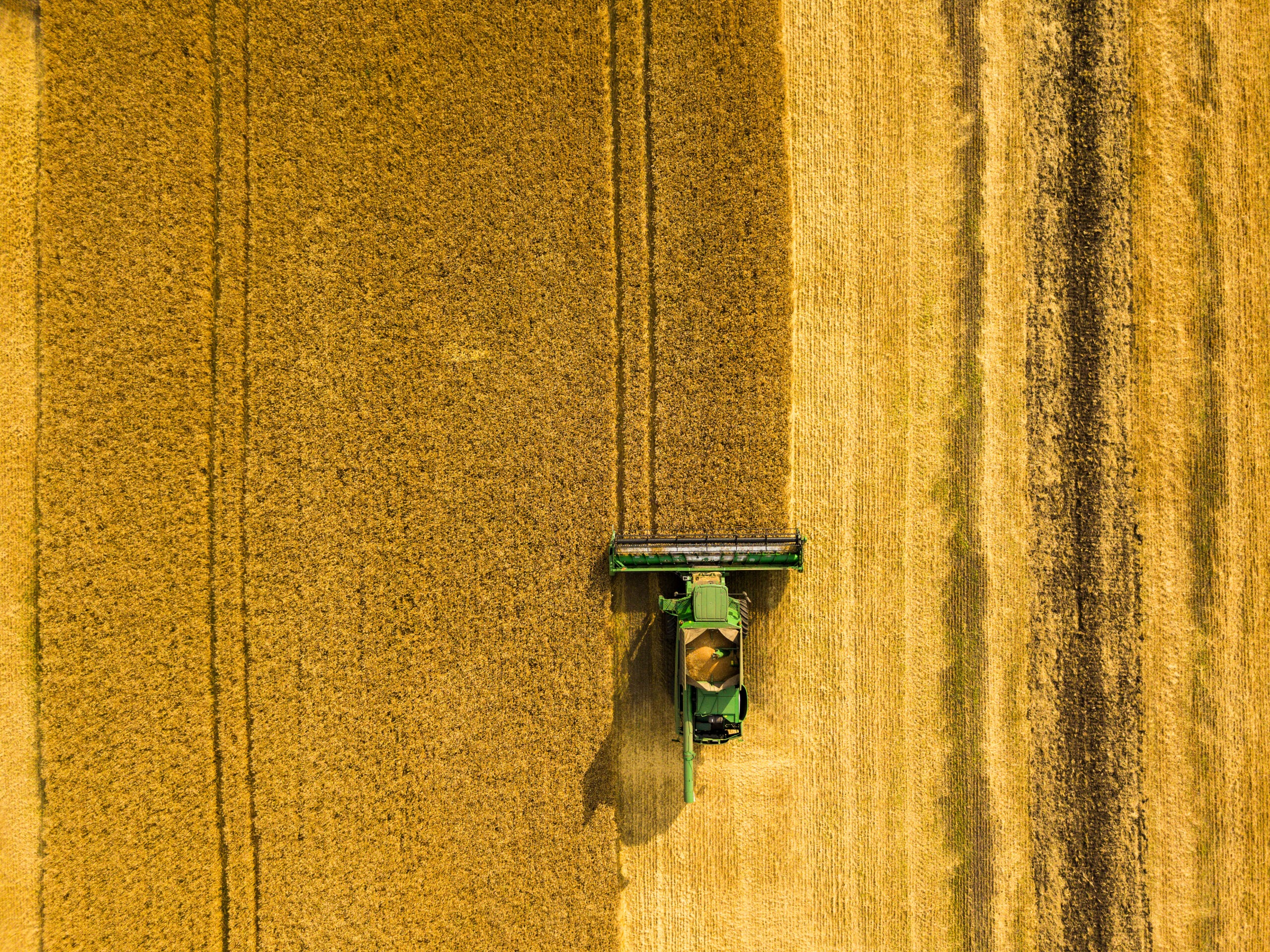
For most owners, the honest answer is no — not because the land isn't capable of it, but because most farms are only being asked to do one job. A single cash-rent check shows up each year, or a family member farms the ground themselves, and that's treated as the ceiling. In a stretch where crop prices are low and input costs and property taxes keep climbing, leaving income on the table isn't a small inefficiency. It's the difference between a farm that pays for itself and one that quietly drains a family's finances year after year.
This guide is the starting point for thinking about farmland income differently — not as one check, but as several, layered across the same acres. It maps out cash rent, conservation payments, a hunting lease, and the diversification options in between, and points to the deeper resources in Base Camp Leasing's farm-owner library for each one. Whether you found this page through a search engine or clicked in from Base Camp Leasing's Farm Owners page, consider this the one page to read first.
Every Path Into Farm Ownership Looks Different
Before getting into income options, it's worth naming the different ways people end up owning farm ground, because the right strategy depends on which one describes you. Every one of these owners has access to the same set of income tools. What changes is how those tools get combined.
Start With What's Already Under Your Boots: Cash Rent
For most farm owners who don't work the ground themselves, cash rent is the foundation. A neighboring farmer or a larger operation pays a set rate per acre to plant and harvest your row crops or graze your pasture, and you collect income without touching the tractor.
The number that matters most here is the going rate, and it has moved meaningfully in recent years. According to the USDA's 2025 Land Values and Cash Rents report, the national average cash rent for cropland hit a record $161 per acre, while pastureland rent held steady at $16 per acre. Rates vary widely by state and even by county — cropland in Illinois and Iowa commands well over $250 per acre, while rates in other regions run far lower — so a local benchmark matters more than a national average when you're actually setting a price.
Cash rent isn't the only structure available. Some owners use a crop-share arrangement instead, taking a percentage of the harvest rather than a flat rate, which trades guaranteed income for more upside (and more risk) tied to yield and commodity prices.
Marginal Acres Don't Have to Sit Idle
Not every acre on a farm is worth planting. Buffer strips along a creek, highly erodible hillsides, or low-yield corners of a field often cost more to farm than they return. That's exactly the ground the USDA's Conservation Reserve Program (CRP) was built for.
Through CRP, the USDA's Farm Service Agency pays landowners to take marginal or environmentally sensitive cropland out of production for 10 to 15 years and plant it with grasses, trees, or other cover that reduces erosion, improves water quality, and creates wildlife habitat. In exchange, the landowner receives an annual rental payment — nationally, base CRP rental rates average close to $191 per acre per year, though actual rates are set at the county level and vary with local soil productivity and enrollment type. Some CRP practices also qualify for additional incentive payments on top of the base rate.
The strategic point most owners miss is that CRP doesn't have to compete with cash rent or a hunting lease — it can run alongside both, on different parts of the same farm. Tillable acres stay in cash rent, marginal acres go into CRP, and the wooded edges or CRP cover itself often becomes some of the best hunting ground on the property. Base Camp Leasing's guide on making money on your land covers CRP and other conservation-program income alongside the full range of landowner options.
Layer a Hunting Lease on Top of Whatever You're Already Doing
This is the piece most farm owners haven't considered, and it's the one Base Camp Leasing specializes in: leasing access to your property for hunting, for an additional, independent income stream that doesn't interfere with a farming tenant, a CRP contract, or your own operation.
A hunting lease works because it uses a part of the farm that cash rent and CRP payments never touch — the timber edges, fence lines, creek bottoms, and standing crop cover that make a working farm attractive to deer, turkey, and waterfowl. The lessee typically pays an annual fee for exclusive hunting access during specific seasons, structured through a written lease agreement that spells out boundaries, dates, and liability coverage. Because hunting activity is concentrated in fall and winter, it rarely conflicts with spring planting or fall harvest.
For farm owners specifically, a hunting lease also solves a problem that predates the income question: crop damage from deer and other wildlife. A well-managed hunting lease helps keep herd numbers in check, which protects yield on the acres still in row crops or pasture. Base Camp Leasing's guide on earning passive income from your farm and pastures goes deeper on how the lease process works, what farms typically earn, and how to manage weather risk, crop damage, and trespassing concerns as a farm owner specifically.

Renting Out the Farm You Don't Work Yourself
Plenty of farm owners today aren't full-time operators. If you inherited ground, moved away, or simply prefer to collect rental income rather than manage day-to-day farming decisions, renting the farm out to a tenant is often the most practical path — and it doesn't shut the door on any of the income streams above.
A tenant farmer typically handles the row crop or livestock operation under a cash rent or crop-share agreement, while you retain the right to lease hunting access separately, and any CRP acres stay under your name regardless of who's farming the rest. The two things worth getting right up front are finding a tenant you trust and putting a clear lease agreement in writing — both topics Base Camp Leasing covers in more depth elsewhere in this farm-owner library, alongside guidance on vetting a tenant and monitoring how well the land is being cared for over time.
Cattle and Pasture Ground Follow the Same Logic
Everything above applies just as directly to livestock operations as it does to row crops. Pasture and grazing ground can be cash-rented to a cattle operator, marginal grazing acres can qualify for CRP or similar conservation payments, and the wooded draws, creek bottoms, and fence lines that border most pastureland make excellent hunting cover. A cattle lease typically runs on a per-head or per-acre grazing-rights basis rather than a straight cropland cash rent, and stocking rates, water access, and fencing responsibilities all need to be spelled out in the lease — but the underlying strategy of stacking a hunting lease on top of a grazing lease works exactly the same way it does on row crop ground.
Diversifying Beyond the Row Crop Check
When commodity prices are down, the instinct is often to look for ways to cut costs. The more durable answer is usually to add income streams rather than trim the ones you have. Beyond cash rent, CRP, and a hunting lease, farm owners have found real income in agritourism (corn mazes, pumpkin patches, farm stays), custom equipment or trucking services for neighboring farms, specialty or direct-to-consumer products, and value-added livestock operations. None of these require giving up the core farming or rental operation — they sit alongside it, filling gaps in the calendar or using assets (equipment, buildings, land) that would otherwise sit idle part of the year.
The common thread across every option in this guide is that none of them ask an owner to choose just one. A farm can carry a cash-rent tenant, a CRP contract, a hunting lease, and a side agritourism venture all at once, on different acres or during different seasons, without any of them undercutting the others. The owners leaving the most money on the table typically aren't doing anything wrong — they've just never mapped out how many of these income streams their specific farm could actually support at the same time.
Planning Ahead, Not Just Around This Year's Check
Two questions come up constantly once a farm owner starts stacking income streams. First: does adding a cash-rent tenant or a hunting lease put an agricultural property tax exemption at risk? In most states and most situations, no — but the answer depends on local assessor rules, and it's worth confirming before signing anything. Second, for owners thinking beyond this year: how does steady lease income factor into passing the farm to the next generation without forcing heirs to sell acreage just to cover estate costs? Both questions deserve their own detailed answers, and Base Camp Leasing's farm-owner content library builds out full guides on each as part of this series.
Build Your Own Income Map
The farms earning the most from their acres aren't necessarily the biggest ones — they're the ones being asked to do more than one job. Tillable ground goes into cash rent. Marginal acres go into CRP. Timber edges and fence lines go into a hunting lease. And none of those decisions has to wait on the others.
If you're not sure where your own farm's income gaps are, Base Camp Leasing works with farm owners to structure hunting leases that fit around an existing farming or rental operation, not against it. Start with the Farm Owners page to see how it works, or keep reading through the rest of this library for a deeper look at cash rent benchmarks, CRP stacking, tenant management, and succession planning — every path a farm owner can take to earn more from every acre.