

By: Brandon Bossenbeger
/
Reading time: 9 min.
Somewhere between the funeral and the paperwork, it hits you: you own land now. Maybe it’s the family farm your grandfather worked for forty years. Maybe it’s forty acres of timberland three states away that you’ve visited twice in your life. Maybe it’s a hunting camp with a leaky roof and a stack of unopened tax bills. Whatever it is, you didn’t ask for this — and now you’re the one who has to decide what happens to it.
That’s the difference between inheriting land and buying it. A buyer spends months researching, touring properties, and running the numbers before they sign anything. An heir gets a phone call, a letter from an attorney, or a line in a will — and suddenly they’re responsible for acreage they may never have set foot on, with no roadmap for what comes next.
This guide is that roadmap. It won’t tell you to sell, keep, or lease — that decision depends on your land, your finances, and your family. But it will walk you through the same questions every new heir needs to answer first, and point you toward the right next step based on what you inherited.
There’s no deadline on this decision in most cases, but there is a cost to indecision. Property taxes, insurance, and upkeep don’t wait for you to feel ready, and land that sits unmanaged for a year or two often generates more headaches — than land that gets even a basic plan put in place early. The goal of this guide isn’t to rush you into a choice. It’s to make sure you’re making an informed one.
The Questions to Answer Before You Decide Anything
Before you can weigh sell-vs-keep-vs-lease, you need a clear picture of what you’re actually dealing with. Four questions come up for nearly every heir, regardless of what kind of property landed in their lap. Once you can answer these four questions, you’re in a position to actually compare your options.
Mistakes New Heirs Make in the First Few Months
Before getting into the sell-keep-lease decision itself, it’s worth flagging a few missteps that show up again and again with first-time heirs — mostly because nobody warns them ahead of time.
Letting the property sit while the family “figures it out.” This is the most common one. Nobody wants to be the sibling who pushes for a decision, so the land sits untouched for a year, then two, while property taxes and small maintenance issues quietly pile up. A neglected fence line or an unmowed field doesn’t just look bad — it invites trespassing, dumping, and boundary disputes with neighbors that get harder to untangle the longer they go unaddressed.
Assuming the land is worth what it was “back when.” Land values, timber markets, and the local demand for hunting access all shift over time. If the property has been in the family for decades, don’t assume you know what it’s worth today, whether you’re deciding to sell, borrow against it, or lease it.
Not checking the insurance situation until something happens. Many heirs don’t realize that a homeowner’s or farm policy the previous owner carried may lapse or need to be reassigned once the property changes hands. Going even a few months without proper coverage is a real gap, especially on land with any public access or recreational use.
Making a permanent decision to solve a temporary cash problem. Facing an unexpected property tax bill or repair cost, some heirs list land for sale simply because they need cash fast — without exploring whether a lease could cover that same cost on an ongoing basis while leaving the sell-or-keep decision for later.

Your Three Real Options
Nearly every heir ends up choosing between three paths. None of them is automatically "correct" — the right one depends on the answers above.
Sell. The fastest way to convert inherited land into cash and stop carrying its costs. This is often the right call for heirs who live far away, have no interest in land management, or are one of several co-owners who all want to be bought out cleanly. The tradeoff: selling severs a family asset for good, and inherited property comes with tax mechanics — like the stepped-up basis, which resets the property's cost basis to its value on the date you inherited it — that most people don't fully understand until they're already mid-sale. It's worth understanding the basics (the IRS's guide to property basis is a good starting point) before you list anything, since the timing of a sale can meaningfully change what you owe.
Keep. Holding onto inherited land makes sense when it has sentimental value, long-term appreciation potential, or when selling would trigger tax consequences you'd rather avoid for now. The catch is that "keep" only works if you have a plan for the ongoing costs — taxes, insurance, upkeep — and someone who's paying attention to the property, even from a distance.
Lease. The option most new heirs don't know exists: put the land to work generating income while you decide, without selling it and without having to manage it yourself day to day. If the property has any hunting potential — timberland, pasture, river or creek frontage, brush country — a hunting lease is often the fastest way to turn an inherited liability into an asset that pays for its own property taxes, insurance, and upkeep while you take your time on the bigger decision. It's a low-commitment middle path: you keep the land, you keep your options open, and you're not paying out of pocket to hold onto something you haven't decided the future of yet.
For a full breakdown of the sell-vs-keep decision, including common inheritance scenarios like family farms, hunting land, and property with liens or back taxes attached, see our companion piece, Inherited Property: Deciding to Sell, Keep, or Lease. And if income is the deciding factor, Inheriting Land? Options to Consider Before Selling It walks through passive income ideas beyond leasing — from short-term rentals to carbon credit programs — that can help the property pay for itself while you decide.
What to Do Next, Based on What You Inherited
The right next step depends heavily on the answer to question one above: what kind of land is this?
If you inherited a family farm or working timberland, you're dealing with an asset that likely has real productive value, but also real management complexity if you've never run a farm or timber operation. Our timber and family land resource covers what to consider when you've inherited acreage with existing agricultural or forestry activity, including how a hunting lease can layer additional income on top of farming or timber revenue without requiring more of your time.
If the land is out of state, or somewhere you rarely visit, distance changes everything about how you manage risk and monitor the property. Trespassing, dumping, and unmonitored liability are far more common on land the owner can't regularly check on. Our absentee landowner guide is built specifically for owners managing property they can't get to easily — the same situation many heirs find themselves in overnight.
If liability and insurance are part of what's worrying you, that concern is well-founded: as the new titleholder, you inherit the legal exposure that comes with the land the moment ownership transfers, whether or not anyone has set foot on the property since. Understanding Landowner Liability & Hunting Lease Insurance explains how that exposure works and how a properly structured lease can actually reduce it rather than add to it.
If you inherited land with siblings or other co-owners, that conversation deserves more space than this guide can give it — we'll cover how to navigate the sell-keep-lease decision as a group in the next article in this series.
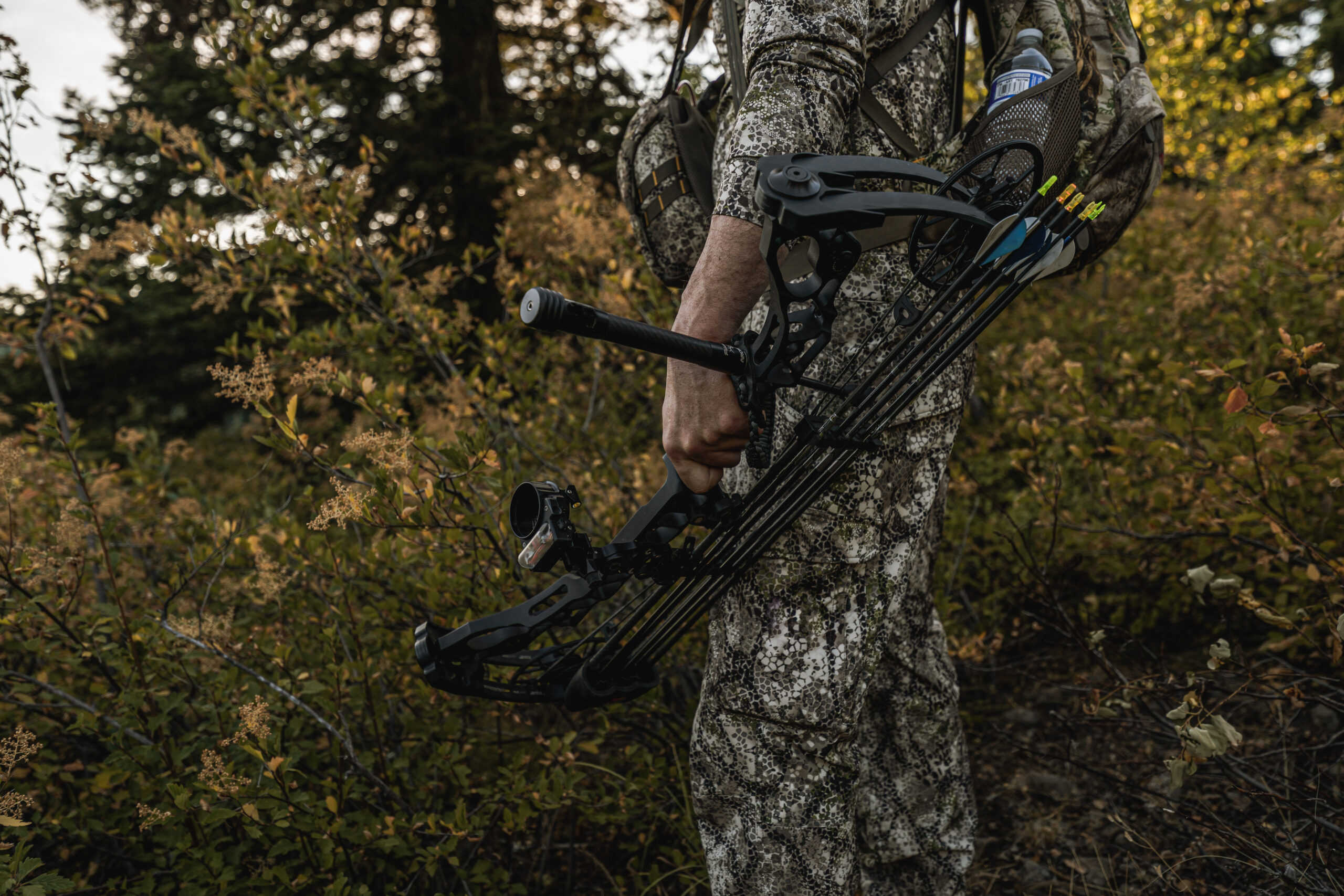
Leasing access to you land is another way to earn income on your property.
The Bottom Line
There's no single right answer for every heir, but there is a right process: understand what you inherited, understand what it costs to hold, understand where the estate stands, and then weigh sell, keep, and lease against your own situation — not a generic rule of thumb. For land with any hunting potential, a lease is worth putting on the table early, since it's the one option that buys you time and income at the same time, without closing off selling or keeping down the road.
If you're not sure where your land fits into any of this, Base Camp Leasing works with new heirs and generational landowners across the country to evaluate a property's hunting lease potential — often the fastest way to find out what an inherited property is actually worth to you before you decide what to do with it long-term.