

By: Brandon Bossenbeger
/
Reading time: 10 min.
Utility and energy companies are sitting on some of the largest under-monetized land portfolios in the country — and most don’t realize it. Between transmission and pipeline right-of-way corridors, buffer land around substations and generation facilities, surplus fee-owned parcels, and land held for future infrastructure, the average electric utility, pipeline operator, or energy producer controls thousands of acres that generate no revenue at all. In many cases, that land is actively costing the company money in maintenance, insurance exposure, and trespass risk — with nothing coming back the other direction.
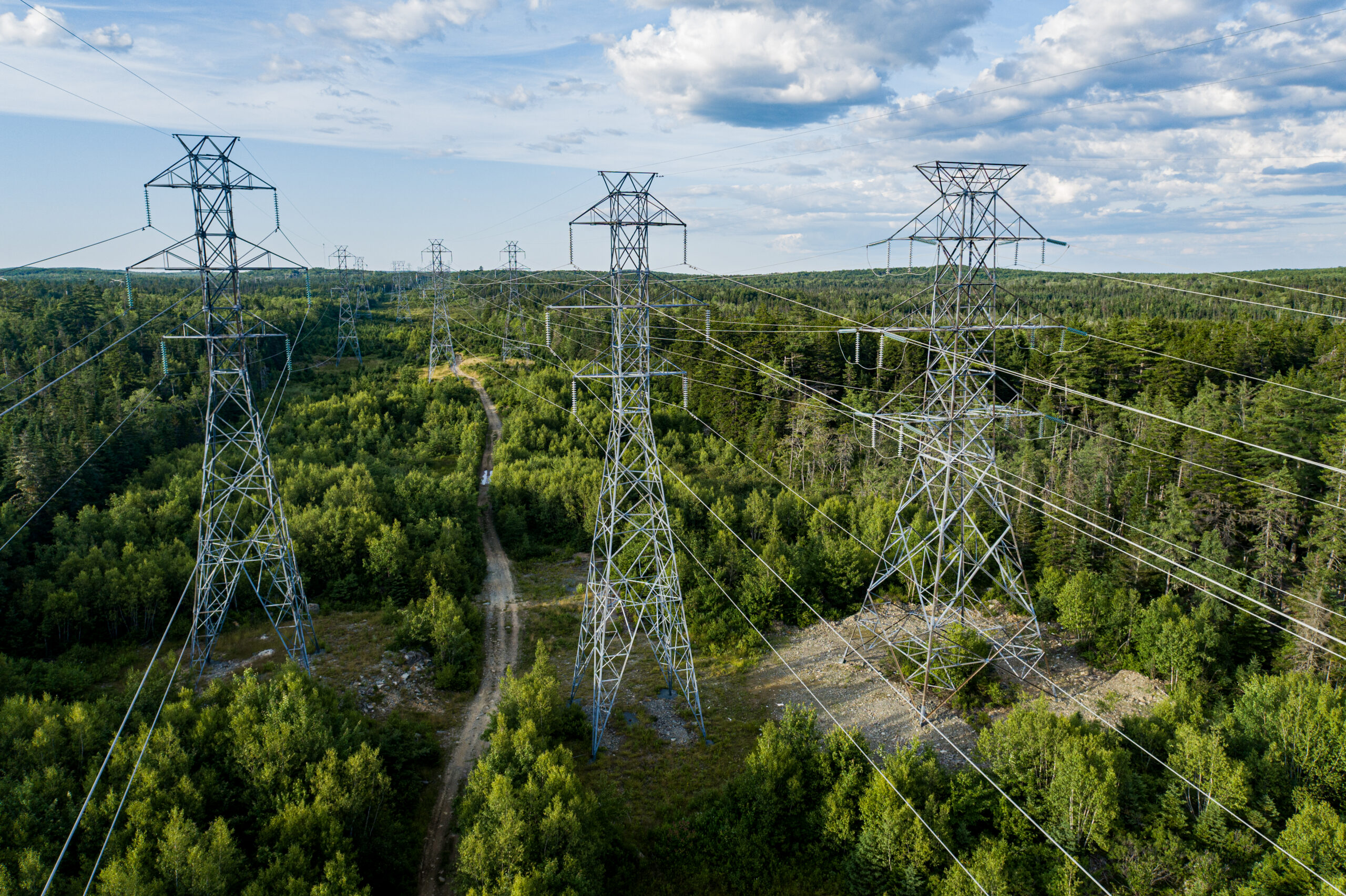
There's a straightforward way to change that equation: a professionally managed hunting lease program. For large landholders in mining, timber, and institutional investment, Base Camp Leasing has already proven that non-operational land can be converted into a predictable, low-effort revenue stream without interfering with core operations. The same model applies directly to utility and energy companies — and in some ways, it applies even more cleanly, because so much of this land is already fenced off from public use, difficult to develop, and simply waiting for someone to manage it responsibly.
This article lays out why utility and energy companies hold so much idle acreage, why most of it sits unmonetized (or is placed under a blanket hunting ban) today, and how a managed lease program turns that liability into revenue.
The Scale of the Problem: How Much Non-Operational Land Utility & Energy Companies Actually Hold
Ask a utility's real estate or land management team how many acres they control outright versus how many acres generate revenue, and the gap is usually enormous. That gap comes from a handful of distinct land categories:
Put together, this is not a marginal amount of land. It's often the single largest category of owned or controlled real estate a utility has, and for most companies, it produces a return of exactly zero.
It's also worth being clear about what this land is not. It's not land that's actively needed for a near-term project, and it's not land under active dispute or negotiation. It's the acreage that's already settled — already surveyed, already fenced or marked, already accounted for in the company's real property records — sitting in a holding pattern indefinitely. That's precisely the profile of land a hunting lease program is built for: stable, long-term, low-turnover acreage where a multi-year lease can run without the underlying use of the land changing out from under it. A transmission corridor built in 1985 is still going to be a transmission corridor in 2035. A substation buffer isn't getting developed. That permanence is an advantage here, even though it might not feel like one when the land is just sitting on a spreadsheet generating carrying costs.
Why This Land Sits Idle — Or Gets Banned Outright
If the opportunity is this obvious, why hasn't it already been captured? In practice, three things get in the way.
There's a fourth factor worth naming directly: most of the people who would need to sign off on a program like this have never seen one work. A ROW manager or general counsel who has only ever encountered hunting access as an informal, unpaid favor to a neighbor — or as a source of trespass complaints — has no reference point for what a professionally managed, insured, revenue-generating version looks like. Without that reference point, the safest-sounding decision is always to do nothing, or to close the door entirely. That's a rational response to an unfamiliar risk, not evidence that the underlying opportunity doesn't exist.
None of these are reasons the land can't generate revenue. They're reasons it hasn't yet — and they're exactly the problems a managed program is built to solve.
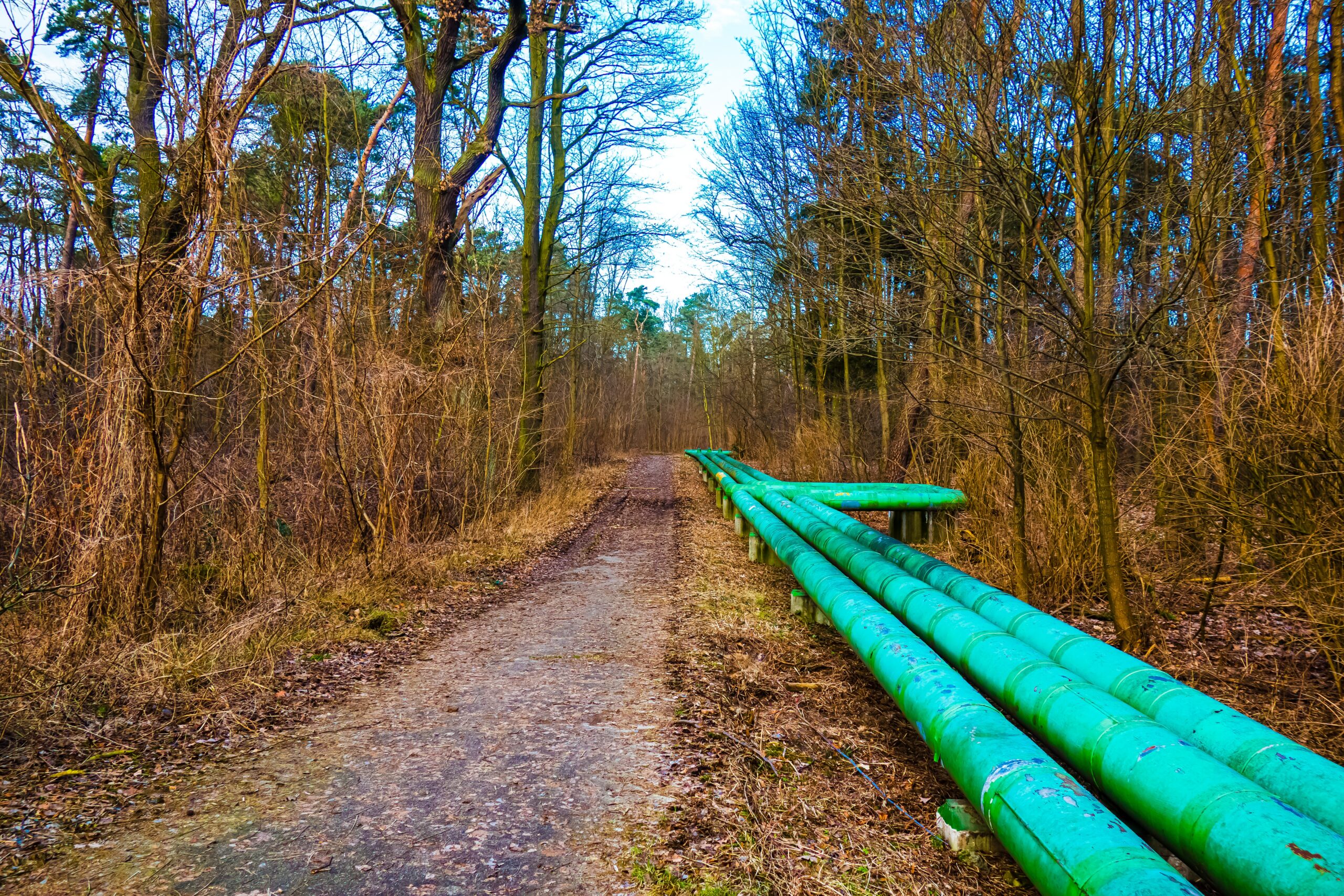
From Liability to Revenue: What a Managed Hunting Lease Program Actually Looks Like
A hunting lease program ran without structure — a verbal handshake agreement, an unscreened hunter, a lease with no insurance backing it — genuinely does create the liability that real estate and legal teams worry about. That's not the model utility and energy companies need. What works is a fully managed program.
A single point of contact for the entire portfolio. Instead of each region or business unit fielding its own hunting requests, one program manages the whole footprint — every ROW segment, every buffer parcel, every surplus tract — under one consistent process. That's the difference between a patchwork of informal arrangements and an actual program.
Industry-leading liability coverage. Base Camp Leasing backs every lease with $5 million in per-property liability coverage, the highest in the industry. That coverage, combined with a properly drafted lease agreement, is what replaces the protection a company might assume it has and often doesn't — a topic we go into in more detail in our guide to landowner liability and hunting lease insurance, written originally for individual landowners but directly applicable to the corporate liability exposure utilities carry.
Responsible hunters. Because Base Camp Leasing’s hunters have their own money invested in the lease, they have a personal stake in protecting the property and are more likely to treat the land with the same care and respect they would give their own.
This is the same structure Base Camp Leasing already runs for large corporate and institutional landholders across other industries. For utility and energy companies specifically, it also means working around operational realities that don't come up with a typical rural landowner: maintenance windows, vegetation management schedules, and equipment access requirements. A managed program builds leases around those constraints from day one, rather than treating them as an afterthought.
For a general primer on how the leasing process works end to end, see how to lease your hunting land
Who This Applies To
"Utility and energy" isn't one buyer — it's several distinct landholder types, each with slightly different land, governance, and risk considerations:
Electric utilities hold the broadest mix of ROW corridors, substation buffers, and surplus fee land, and are typically the largest single landholder category in the vertical.
Transmission and pipeline operators manage long, linear easement corridors — some of the most consistently overlooked hunting ground in the country, precisely because the land is permanent, cleared, and rarely thought of as an asset rather than an obligation.
Oil and gas companies already monetize what's below the surface extensively; the surface acreage around well pads, buffer zones, and reclaimed land is frequently left generating nothing in return.
Renewable energy developers — solar and wind in particular — hold significant buffer and setback acreage around active generation sites that isn't usable for the panels or turbines themselves but is perfectly usable for a hunting lease layered on top of existing lease income.
Rural electric cooperatives hold much of the same ROW and buffer land as investor-owned utilities, but answer to a member base rather than shareholders, which changes how the revenue story gets framed internally.
Each of these segments gets its own deeper treatment in the articles that follow this one — this page is the hub they all link back to. But it's worth noting what all five have in common, because it's the reason a single program model works across every one of them: in each case, the land in question is a byproduct of the company's core infrastructure, not an asset anyone was ever tasked with actively managing for return. A pipeline company's job is moving product safely, not running a land-lease business on the side. A solar developer's job is generating and selling power, not marketing buffer acreage to hunters. That's exactly why an outside, dedicated program — rather than an internal side project — is the right structure for all five segments. It lets each company stay focused on its core operation while a specialist handles the leasing, screening, and liability management around the edges of that operation.
It also means the sales conversation looks slightly different depending on who's in the room. A real estate or land management team wants to know about portfolio-wide reporting and administrative burden. A risk or legal stakeholder wants to know about liability coverage and recreational use statute exposure — a topic covered in depth in the Phase 3 articles in this series. An operations or vegetation management stakeholder wants to know that hunters won't interfere with maintenance access. A managed program has to be able to answer all three, not just one, because all three groups typically have to sign off before a lease program gets approved internally.
Why Base Camp Leasing
Base Camp Leasing didn't build this model for utility and energy companies first. It was proven with mining, timber, aggregate, railroad, and institutional investment landholders — companies with the same core problem: large, geographically scattered land portfolios that carry cost and risk but generate no return on their own. The aggregate and mining partner program is the clearest existing parallel — fee-owned and leased acreage, managed centrally, insured at industry-leading levels, and turned into a revenue line instead of a line item on the insurance budget.
Utility and energy land is, in some respects, an even better fit for this model than the industries Base Camp Leasing already serves. Much of it is already fenced, gated, or otherwise access-controlled. Much of it is permanently unavailable for development, which removes the "what else could this land be used for" question entirely. And because it's often held for decades without change, a lease program built around it can run for years without the disruption that comes with active mining or timber harvest cycles elsewhere in a landholder's portfolio.
Getting Started
The opportunity here isn't complicated: land that currently produces nothing — or actively costs money to insure and maintain — can be converted into revenue without compromising easement rights, maintenance access, or operational safety. The barrier has never been whether the model works. It's that most utility and energy companies have never had a single point of contact whose job is to make it happen across an entire portfolio.
That's the gap Base Camp Leasing's utility and energy program is built to close. If your company holds transmission or pipeline right-of-way, substation and facility buffer land, surplus fee-owned parcels, or renewable buffer acreage that isn't generating revenue today, reach out to Base Camp Leasing to talk through what a managed program could look like across your specific portfolio.