

By: Brandon Bossenbeger
/
Reading time: 11 min.
Quick answer: Agricultural land monetization means earning income from acreage a farm or ranch doesn’t crop or graze, such as timbered draws, CRP ground, field borders, and back-country pasture. A managed hunting lease is one option. It covers hunting rights only, so the operation keeps farming and ranching as usual. Base Camp Leasing (BCL) charges landowners nothing out of pocket and pays them upfront. Income varies by location, habitat, and demand.
Walk the edge of almost any large farm or ranch and you’ll find ground that never shows up in a yield report. A timbered draw splits two fields. A creek corridor is too wet to farm. A block of Conservation Reserve Program (CRP) ground earns a government payment and nothing else. Rough back-country pasture sits outside the grazing rotation.
That ground still carries property taxes, insurance, and trespass risk. This guide covers what non-cropped acreage large operations hold, how the main options compare, and where a hunting lease fits.
What Non-Cropped Acreage Do Large Farm and Ranch Operations Hold?
Most large operations hold some mix of five acreage types. The table shows why each often earns nothing and why hunters look for it.
| Acreage type | Why it usually earns little or nothing | Why hunters want it |
|---|---|---|
| CRP and other conservation acres | Out of production by design. The annual CRP rental payment is often the only income. | Native cover and wildlife habitat |
| Timbered draws, creek and river corridors, waterways | Too wet, steep, or irregular to farm efficiently | Timber, water, and cover |
| Ranch back-country | Rough terrain or remote pasture outside the main grazing rotation | Terrain and cover |
| Field borders, corners, and terraces | Farming them costs more than they return | Cover and food sources next to crop fields |
| Buffer and reserve land around facilities | Held for operational reasons, not production | Timber, water, or open ground, depending on the site |
CRP is a voluntary program run by the USDA Farm Service Agency (FSA). It converts highly erodible and other environmentally sensitive acreage to vegetative cover. According to the FSA’s CRP overview, contracts are typically 10 to 15 years, and annual rental payments are based on soil productivity and average county cash rental rates. Cash rent is the fixed per-acre payment a tenant operator pays a landlord to farm the land.
Why Does Idle Farm Ground Matter More on a Large Operation?
Idle ground matters more at scale because it is spread across many tracts, and nobody builds a program around a few unfarmed acres on one property. Added up across a portfolio, it is a real asset that earns nothing.
It is also land with value. USDA’s Land Values 2026 Summary, released July 31, 2026, put U.S. farm real estate at $4,500 per acre on average. Cropland averaged $6,020 per acre and pasture averaged $2,000 per acre. National averages say little about any one tract, but they show the underlying land carries real value.
The same problem shows up across large landholders. Base Camp Leasing also runs dedicated programs for investment and timber portfolios and for aggregate companies. Large agricultural landholders can learn more on BCL’s large landholder program page.
What Are the Options for Monetizing Non-Cropped Acreage?
Large operations generally choose among four options for non-cropped acreage: a managed hunting lease, CRP enrollment, leaving the ground idle, or selling it. The table compares them on effort, income, and effect on the working operation.
| Option | Effort | Income | Effect on the operation |
|---|---|---|---|
| Managed hunting lease | Low. Submit property details, get a local agent's estimate, and BCL markets the lease to hunters | Varies by property and is paid upfront. There is no national rate. | Hunting rights only. The landowner keeps 100% control and full access, and farming and grazing continue. |
| CRP enrollment | Medium. FSA signup and a contract. | Annual rental payment. Contracts are typically 10 to 15 years. | Land stays in vegetative cover for the contract term. |
| Leave it idle | Everyone keeps their share and uses the land | All siblings live close and share costs evenly | Uneven upkeep and costs with no income to offset them |
| Keep it and lease it | None | None. Taxes, insurance, and trespass risk continue. | None |
| Sell the acreage | High. Appraisal, listing, and closing. | One-time. The 2026 U.S. average for farm real estate was $4,500 per acre, and local values vary. | Permanent. The operation loses the ground and any future income from it. |
Leaving ground idle earns nothing, and selling earns once and gives up the land. Whether CRP ground can also carry a hunting lease depends on the CRP contract, so confirm with your local FSA county office before listing.
How Does a Managed Hunting Lease Work Around a Farming or Ranching Operation?
A hunting lease covers hunting rights only, not farming rights, so it does not change who farms or grazes the land. On a Base Camp Leasing lease, landowners keep 100% control of the land and full access during the lease. BCL asks landowners to be mindful of when hunters are on the property.
Here is how that works day to day:
- The lease sets boundaries and expectations. Put your field, equipment, gate, and livestock rules in the lease and raise them with your leasing agent before listing.
- Hunters are limited and named. Each lease has a maximum number of hunters, everyone on the property is named on the lease, and guests are not allowed.
- You get the hunters' contact information. Once the property is leased, the operation can share planting, spraying, and harvest timing with the hunters directly.
- Hunters post and monitor the property. On most BCL leases, hunters can press charges against trespassers, so the landowner does not have to handle it.
What Does This Look Like on a Real Operation?
A grain operation with timbered draws splitting its fields leases the draws, not the cropland. It writes the field roads and equipment lanes it wants kept clear into the lease. BCL's guide to earning income on a farm after row crop harvest covers related options. A cattle company with rough back-country pasture writes its gate and livestock rules into the lease. For more on ranch ground, see BCL's guide to leasing cattle ranches for hunting.
An absentee owner who cash-rents to a tenant starts with who holds the hunting rights.
Who Holds the Hunting Rights on Cash-Rented Farmland?
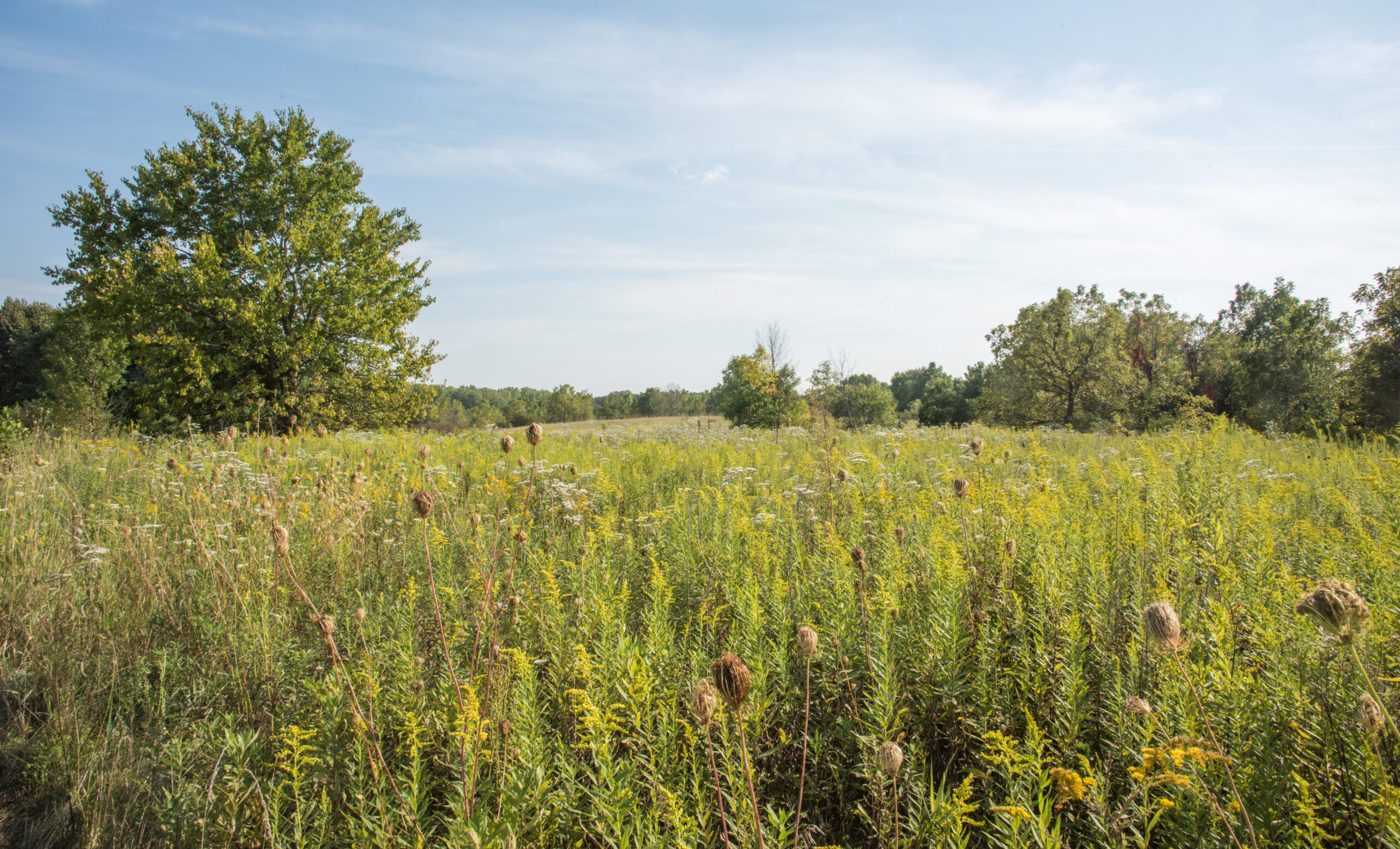
Who holds the hunting rights on cash-rented farmland depends on the wording of the farm lease and on state law. In Nebraska, extension specialist J. David Aiken wrote in 2019 that if a written cropland or pasture lease does not reserve hunting rights to the landlord, the tenant generally holds them for the lease term. Other states differ.
This question reaches a lot of ground. USDA's Economic Research Service reports that about 39 percent of farmland in the contiguous 48 states was rented, and that 80 percent of that rented land is owned by non-operator landlords, according to the 2014 survey on farmland ownership and tenure.
Before you list, put hunting rights in writing in the farm lease or an addendum, and tell your tenant operator. BCL's absentee landowner guide covers more of what owners who live away from their land should think through. An agricultural attorney licensed in your state can confirm who holds the rights.
What Does a Managed Hunting Lease Cost, and What Does It Cover?
A managed hunting lease through Base Camp Leasing has no out-of-pocket cost to the landowner. BCL is paid a commission once the property is leased, and landowners are paid upfront.
A $5 million liability insurance policy is included on every lease. It covers the hunters, who are Base Camp Hunt Club members and the landowner. It is not the operation's own policy, and it does not replace your farm or ranch liability or umbrella coverage. Ask your insurance agent and attorney to review it alongside your farm policy.
A local leasing agent prices each property individually. The agent uses county GIS mapping (water, timber percentage, topography, and neighboring land) plus your description of the property.
The price is for the whole property, up to the maximum number of hunters, not per hunter. BCL's published examples show the range. A smaller property in a high-demand area with excellent habitat might lease for $30 to $70 per acre. A large tract in a lower-demand area might lease for $10 to $60 per acre. Those are examples, not a quote, and rates vary by location, habitat, and demand.
BCL has been in the hunting lease business since 1999. It has paid landowners more than $80 million and opened more than 6.5 million acres to hunting.
What Objections Do Farm and Ranch Managers Raise, and What Are the Answers?
Most objections come down to the same concerns: field work, the tenant, program rules, insurance, livestock, equipment, time, scattered tracts, and a possible sale. The table gives a short answer to each.
| Objection | Answer |
|---|---|
| "Hunters will get in the way of planting, spraying, or harvest." | Landowners keep full access and receive the hunters' contact information, so you can share timing. Put your field rules in the lease. |
| "Our tenant (or a neighbor) already hunts it." | It depends on the farm lease and state law. Put hunting rights in writing and tell the tenant before listing. |
| "Will it affect our CRP contract or payments?" | Don't assume either way. Confirm with your local FSA county office before listing CRP ground. Food plots on a BCL lease are decided case by case. |
| "Our farm policy already covers us." | BCL's $5 million policy covers the hunters and does not replace your coverage. Have your insurance agent and attorney review both. |
| "Hunters will leave gates open or bother the cattle." | Write your gate and livestock rules into the lease and raise them with your leasing agent before listing. The lease is where those rules are written down. |
| "We don't want people near equipment, chemicals, or trial plots." | The lease sets boundaries. Name those areas in the lease and discuss them with your leasing agent before listing. |
| "Nobody has time to manage it." | There is no out-of-pocket cost and payment arrives upfront. BCL is a single point of contact that finds and places hunters, who post and monitor the property. |
| "The acreage is too scattered across tracts." | A local leasing agent evaluates each property individually, so each tract is priced on its own water, timber, and topography. |
| "We might sell or re-rent the ground." | Leases run one year unless specified otherwise. If a property is sold during a lease, hunters get a prorated refund based on the hunting season lost, decided case by case. |
What Should You Check Before You List Non-Cropped Acreage?
Run through this list before listing any tract.
- Confirm who holds the hunting rights under each farm lease, and put it in writing.
- Tell your tenant operator before you list the property.
- Check any CRP contract with your local FSA county office.
- Ask your insurance agent to review the $5 million hunter policy alongside your farm or ranch policy.
- Mark gates and livestock areas, and write your livestock rules into the lease.
- Mark equipment yards, chemical storage, trial plots, and any other no-go areas.
- Confirm who can sign the lease. Authority depends on the deed and entity documents, so ask your attorney.
- Gather the name on the deed, state, county, acreage, and a short property description.
How Do You Get Started With Agricultural Land Monetization?
Start by listing the acreage on each tract and sorting it with the table above. Then work through the checklist and ask for an estimate. A local leasing agent reviews each property and gives a preliminary estimate of annual lease income.
Agricultural land monetization does not have to change how the operation runs. A hunting lease turns idle farm ground into income while the farming and ranching continue. Talk with an agricultural or real estate attorney, your insurance agent, and your local FSA county office before listing, since this article is general information and not legal, tax, insurance, or financial advice.
To see what your non-cropped acreage could lease for, request a large-landholder hunting lease evaluation from Base Camp Leasing. You can also contact the BCL team with questions.
Frequently Asked Questions About Agricultural Land Monetization
Does a hunting lease change our farm lease or our tenant's crop rights?
No. A BCL hunting lease covers hunting rights only, not farming rights, and it does not replace your farm lease. Make sure the farm lease says who holds the hunting rights.
How much can non-cropped acreage earn?
There is no single national rate. A local leasing agent prices each property based on timber, food sources, water, terrain, game population, location, demand, and size. BCL's published examples run from $10 to $60 per acre for a large tract in a lower-demand area to $30 to $70 per acre for a smaller, high-demand property.
Can a farm management company or landholding LLC sign the lease?
Authority to sign depends on the deed and the entity's documents. Confirm signing authority with your attorney before listing.
How long does a BCL hunting lease last?
A lease runs one year from the deposit date unless specified otherwise. Hunters have first right to renew if the landowner approves, and ending a lease takes 60 days' written notice before it expires.