

By: Brandon Bossenbeger
/
Reading time: 9 min.
Quick answer: Large agricultural landholders can use the same managed hunting lease model that timber, investment and aggregate landholders already use: lease the hunting rights on ground that never earns from crops or grazing, while the operation keeps running. Base Camp Leasing already lists Agriculture among the industries it serves, and farms and ranches hold the same kind of non-producing acreage that makes the model work elsewhere.
If you’re weighing large landholder hunting lease solutions for agriculture, start with what big land portfolios have in common. A timber company, a farmland fund and a large grain operation all hold acres that carry taxes, insurance and trespass risk but never show up in a yield report. Those acres are where a hunting lease earns its keep.
Base Camp Leasing has roots in this world. The company was founded in 1999 by Steve Meng, a whitetail deer hunter and former grain industry professional. In the 27+ years since, it has paid more than $80 million to landowners and opened more than 6.5 million acres to hunting.
What Does Base Camp Leasing’s Industry List Say About Agriculture?
Base Camp Leasing’s hunting lease program for large landholders names Agriculture as one of six industries using its services, alongside Aggregate, Investment, Mining, Railroad and Timber. Two of those industries already have their own program pages.
- Investment and timber: a dedicated page for investment and timber portfolio owners speaks to institutional land portfolios.
- Aggregate and mining: a dedicated page for aggregate and mining companies covers buffer zones and non-mining land.
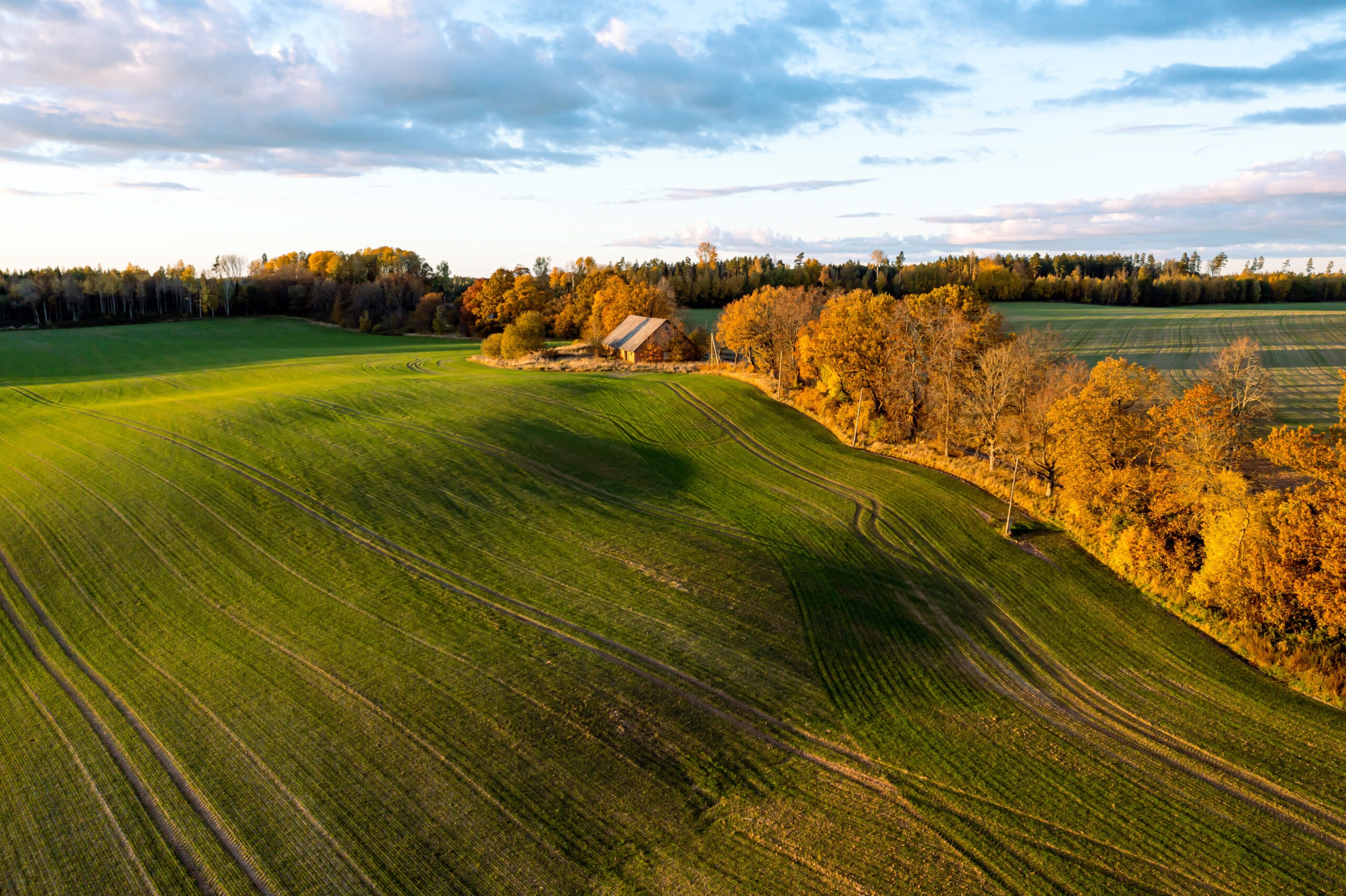
Agriculture is on the list but hasn’t had that dedicated treatment yet. The case for giving it the same attention is simple. The model works for timber and aggregate because those companies hold large blocks of wildlife habitat outside their core operation. Large farms, ranches and agribusinesses hold the same thing.
What Do Timber, Aggregate and Farm Landholders Have in Common?
Timber, aggregate and agricultural landholders all own acreage their core business doesn’t use but still has to pay for, insure and watch over. The type of ground changes by industry. The problem doesn’t.
| Landholder type | Acreage outside the core operation | Why hunters want it | What to address in the hunting lease |
|---|---|---|---|
| Timber and investment portfolios | Stands between harvests, streamside areas, access roads | Cover, travel corridors and large tract size | Harvest activity and road use |
| Aggregate companies | Buffer zones and non-mining land | Undisturbed cover around working sites | Keeping hunters away from active work areas |
| Row crop and grain operations | Timbered draws, creek corridors, waterways, field borders, terraces too steep to farm | Cover right next to crop food sources | Planting, spraying and harvest traffic |
| Cattle ranches | Back-country pasture, wooded draws, creek bottoms | Large, low-pressure blocks of habitat | Gates, fences and livestock |
| CRP and conservation acres | Native grass and other conservation cover | Bedding and nesting cover | CRP contract rules (confirm with the FSA county office) |
| Cooperatives and agribusiness | Buffer land around elevators and facilities, reserve ground, research acreage | Undisturbed ground near crop fields | Equipment yards, chemical storage and trial plots |
The row crop entry adds something timber and aggregate land often lack: a steady food source. Corn, soybeans or wheat next to a timbered draw or creek corridor is the setup many deer hunters look for.
Why Does Agriculture Fit Large Landholder Hunting Lease Solutions?
Agriculture fits large landholder hunting lease solutions for the same three reasons timber and investment land does. The land is valuable, much of it is held by owners who don’t work it day to day, and every operation has acres that produce nothing.
The land is a high-value asset. U.S. cropland averaged $6,020 per acre in 2026, up 3.3% from 2025, according to the USDA NASS Land Values 2026 Summary. The same report put pasture at $2,000 per acre. Every acre carries a cost of ownership, including the draws, borders and back-country that never generate a crop or a calf.
Much of it is owned by people who don’t farm it. Just over 60% of U.S. land in farms is owner-operated, according to the 2022 Census of Agriculture as summarized by USDA ERS on farmland ownership and tenure. In the USDA NASS 2024 TOTAL survey, more than 2 million landowners rented out 347.8 million acres for agricultural purposes. Non-operating landlords owned 276.1 million of those acres, or 79%.
That ownership pattern looks a lot like a timber or investment portfolio. The owner holds the asset, someone else runs the operation, and the hunting value of the land often goes unpriced.
Cash rent doesn’t cover hunting value. Landlords received $34.1 billion in rent payments in 2024, per the same TOTAL survey. Cash rent pays for the right to farm the ground. Hunting rights are a separate right, and a farm lease may or may not address them.
How Does a Managed Hunting Lease Work for an Agricultural Landholder?
A managed hunting lease puts one company between the landholder and the hunters. Base Camp Leasing acts as a single point of contact that finds and places hunters for the operation. The steps match what BCL uses for every property.
- Submit property information. Provide your name, contact information, the name on the deed, state, county, acreage and a short property description. An operation with several tracts should describe each one.
- Digital evaluation. A local leasing agent evaluates the property using the county GIS mapping system (water, timber percentage, topography and neighboring land) plus your description.
- Preliminary estimate. The agent gives a preliminary estimate of annual lease income. Initial quotes commonly align closely with the final price.
- Leasing agents inspect properties when they’re first listed. Listing photos usually come from that inspection.
- Marketing and payment. BCL markets the lease to its hunter database, and the landowner is paid upfront and receives the hunters’ contact information.
What Comes With Every Base Camp Leasing Hunting Lease?
- No out-of-pocket cost. BCL is paid a commission once the property is leased.
- A $5 million liability insurance policy included on every lease, covering the hunters, who are Base Camp Hunt Club members.
- Every hunting group joins the Hunt Club, whose bylaws include a code of ethics.
- A professional hunting lease agreement that sets boundaries and expectations.
- A maximum number of hunters, with everyone named on the lease and no guests allowed.
- Hunters post and monitor the property, and on most leases they can press charges against trespassers.
- Landowners keep 100% control of their land and full access to it during the lease.
- Leasing covers hunting rights only, not farming rights.
The $5 million policy covers the hunters. It adds a layer of protection, but it doesn’t replace the operation’s own farm or ranch liability policy. Have your insurance agent and an agricultural attorney review it alongside your farm policy.
How Is a Farm or Ranch Hunting Lease Priced?
A local leasing agent prices each property individually instead of using an online calculator. Factors include timber, food sources, water, terrain, game population, location, demand, property size and lease terms.
There is no single national rate. As examples BCL has published, a large tract in a lower-demand area might lease for $10 to $50 per acre, while a smaller property in a high-demand area with excellent habitat might lease for $30 to $70 per acre. Rates vary by location, habitat and demand.
Where Does Agriculture Differ From Timber and Aggregate Land?
Agriculture differs because more people and more programs touch the same ground. A timber tract may sit quiet for years between harvests. A grain farm has a tenant, a sprayer, a combine and sometimes a conservation contract on the same section. BCL’s blog has covered where the timberland hunting lease model breaks down, and agriculture has its own pressure points.
What Should a Large Agricultural Operation Check Before Listing?
A short review before listing keeps a farm hunting lease from colliding with the farm itself. Use this checklist:
- Hunting rights: Confirm who holds them on each tract, especially cash-rented ground.
- Signing authority: Confirm who can sign for the deed holder, whether that’s a family, LLC, fund or cooperative board.
- Tenant notice: Tell the tenant operator and put hunting rights in writing.
- CRP check: Contact the FSA county office about any enrolled acres.
- Insurance review: Have your insurance agent compare the lease’s $5 million policy with your farm or ranch policy.
- Operational rules: List gates, livestock, equipment, chemical and no-go areas to put in the lease agreement.
- Tract list: Gather acreage and a short description for each property you want evaluated.
Frequently Asked Questions About Agricultural Landholder Hunting Leases
Does a hunting lease give hunters any farming rights?
No. Leasing through Base Camp Leasing covers hunting rights only, not farming rights. Your tenant’s farm lease and your own farming operation stay separate from the hunting lease.
What does it cost an agricultural landholder to list with BCL?
There’s no out-of-pocket cost. BCL is paid a commission once the property is leased, and the landowner is paid upfront.
How many people will be hunting our ground?
Each lease sets a maximum number of hunters, and everyone on the property must be named on the lease agreement. Guests aren’t allowed, so you know exactly who is on your land.
Can our managers and tenant still get onto the land during the lease?
Yes. Landowners keep 100% control and full access during the lease. BCL asks landowners to be mindful of when hunters are on the property.
What happens if we sell a leased tract?
If a property is sold during a lease, the hunters get a prorated refund based on the hunting season lost. That’s decided case by case.
How long does a hunting lease run?
A lease runs for one year from the deposit date unless specified otherwise. Ending a lease takes 60 days’ written notice before it expires.
Bring Your Farm and Ranch Acreage Into a Proven Program
Timber, investment and aggregate landholders already use the managed hunting lease model on ground their core business doesn’t need. Large landholder hunting lease solutions for agriculture follow the same logic: find the acres that never make the yield report, protect the operation with a clear lease agreement, and let a local leasing agent price each property.
Base Camp Leasing has paid more than $80 million to landowners since 1999. To see what your farm, ranch or agribusiness acreage could support, request a large landholder hunting lease evaluation or call (866) 309-1507.