
By: Brandon Bossenbeger
/
Reading time: 9 min.
Quick answer: A hunting lease for absentee landowners puts a small, named group of hunters on land the owner can’t visit often. Through Base Camp Leasing, those hunters post and monitor the property, and on most leases they can press charges against trespassers. The owner earns annual lease income and keeps full access, but still handles their own insurance, tax and legal duties.
Picture a retired teacher in Phoenix who bought 80 acres of Alabama timber as retirement land. She sees it once a year. The rest of the time, she has no idea who is driving the logging road.
That is the absentee landowner problem in one sentence: you’re not there, so who’s watching your land? A hunting lease is one of the oldest answers, and it works for far more owners than timber investors.
Who Counts as an Absentee Landowner?
An absentee landowner is anyone who owns rural land but doesn’t live on it, near it or visit it often. That includes heirs, retirees, second-home owners, family trusts and LLCs, and long-term land buyers.
USDA’s 2024 TOTAL survey found that 87% of landlords renting out farmland were nonoperating landlords; they owned 79% of rented land. The same survey put the average principal landlord’s age at 69.2, with more than 35% aged 75 or older.
Distance shows up in the state data, too. A 2022 Iowa State University survey found that 25% of Iowa farmland was owned by people who were part-time residents or didn’t live in Iowa, and trusts held 23%. Our complete guide for absentee landowners covers the many paths into owning land from a distance.
Why Is a Hunting Lease Called "Eyes on the Ground"?
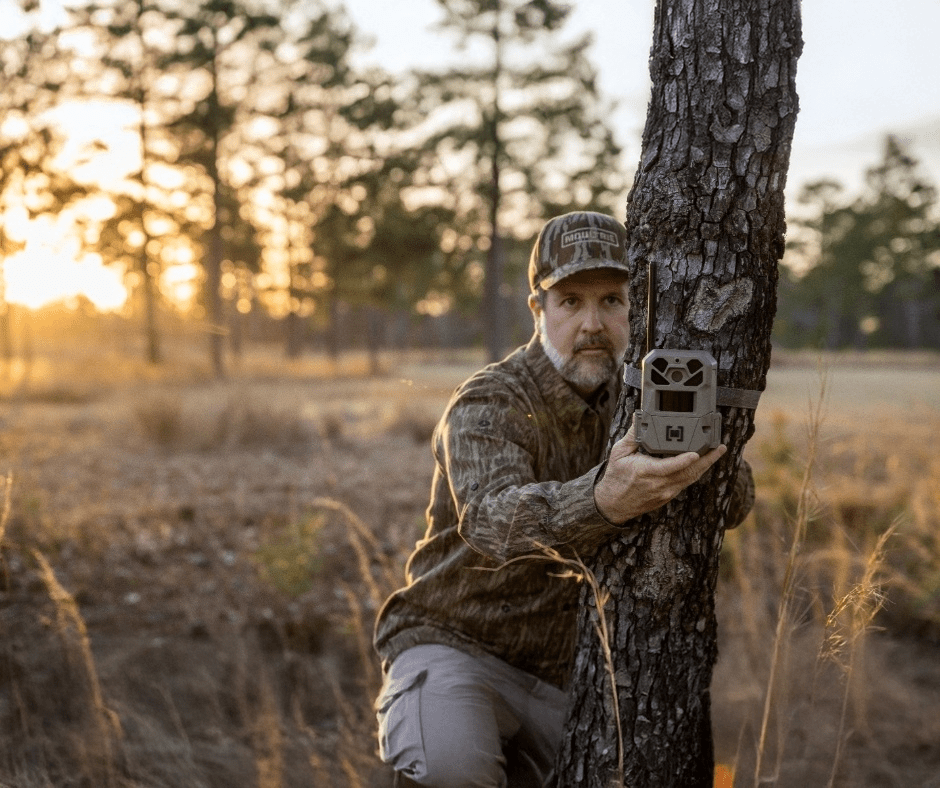
A hunting lease is called "eyes on the ground" because it puts people on the property who have their own reasons to keep others off it. A hunting group that paid for a lease doesn't want strangers walking its stands or poaching its deer.
Base Camp Leasing has made this point in its look at the different types of landowners it works with. That post says leasing is "equally ideal for absentee landowners" and that hunters provide "extra sets of eyes on the landscape."
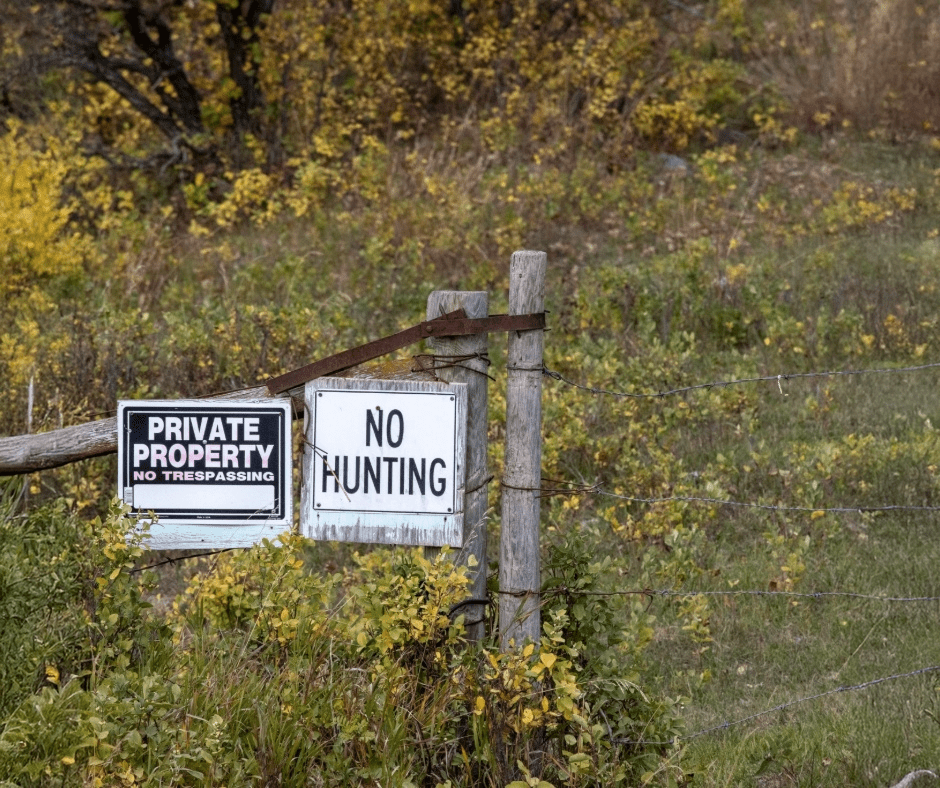
On a Base Camp Leasing lease, the hunters are responsible for posting the property and monitoring it. On most leases, they also have the authority to press charges against trespassers.
How Does a Hunting Lease for an Absentee Landowner Work?
A hunting lease for an absentee landowner can be set up online and by phone, with no site visit required. Here is how it works with Base Camp Leasing:
- Submit your property information online: your name, contact information, the name on the deed, state, county, acreage and a short description.
- A local leasing agent evaluates the property digitally using the county GIS mapping system, looking at water, timber percentage, topography and neighboring land, along with your description.
- The agent gives you a preliminary estimate of annual lease income. Initial quotes commonly align closely with the final price.
- Leasing agents inspect properties when they are first listed, and listing photos usually come from that inspection.
- Base Camp Leasing markets the lease to its hunter database, and you are paid upfront.
There is no out-of-pocket cost to the landowner. Base Camp Leasing is paid a commission once the property is leased.
Who Will Be on My Land If I Lease the Hunting Rights?
Only the hunters named on the lease agreement will be on your land. Every lease sets a maximum number of people, and that number counts everyone on the property, regardless of age or whether they hunt.
Guests aren't allowed. Anyone not listed on the lease is a trespasser and isn't covered by the liability insurance. Every hunting group must also join the Base Camp Hunt Club, whose bylaws include a code of ethics.
Once the property is leased, you receive the hunters' contact information. For a long-distance landowner, that means knowing exactly who is allowed on the land.
What Can a Hunting Lease Do for Land You Don't Live On?
A hunting lease helps with several of the biggest absentee worries, but it isn't a caretaker, an insurance policy or a legal shield. For a full rundown of these risks, see the real risks of owning land you don't live on.
| Absentee worry | How a hunting lease helps | What the owner still handles |
|---|---|---|
| Trespassers and poachers | Hunters post and monitor the property; on most leases they can press charges against trespassers | Knowing your state's trespass and posting rules |
| Not knowing who is on the land | Every person is named on the lease, up to a set maximum, and you get their contact information | Visiting when you can and keeping your own contact details current |
| Land that looks abandoned | Regular, visible recreational use during the lease year | Squatter and adverse possession questions, which vary by state; ask a real estate attorney |
| Liability | A $5 million liability policy is included on every lease and covers the hunters | Your own landowner coverage, reviewed with a licensed insurance agent |
| Carrying costs | Annual lease income, paid upfront | Paying property taxes on time and confirming your mailing address with the county treasurer |
| Storm damage, dumping and upkeep | Not part of the lease; hunters lease hunting rights only | Your own property checks, a local contact or a caretaker |
Does Leasing Hunting Rights Change My Liability as an Absentee Owner?
Leasing hunting rights can change how state law treats your liability, so it's worth reviewing before you lease. Every state has a recreational use statute that protects landowners in some way, but the National Agricultural Law Center notes that accepting money for use of the land can suspend that protection.
The $5 million policy included on every Base Camp Leasing lease covers the hunters, who are Base Camp Hunt Club members. It is not the landowner's own policy and doesn't replace vacant land insurance, so review your coverage with a licensed insurance agent and ask a real estate attorney about your state's rules.
Isn't a Hunting Lease Just for Timber Investors?
No. Base Camp Leasing's hunting lease program for farm and timber investors speaks to people who buy land as an investment, but the same lease works for anyone who can't watch their land.
- A 120-acre inherited farm two states away: if a farmer cash-rents the cropland, check the existing farm lease first to confirm who holds the hunting rights. A hunting lease covers hunting rights only, not farming rights.
- A 40-acre recreational tract visited twice a year: landowners keep 100% control of their land and full access during the lease. Base Camp Leasing only asks owners to be mindful of when hunters are on the property.
- A family LLC holding 640 acres no one lives near: one lease agreement, one group of named hunters and one upfront payment can be simpler for co-owners who live in different states.
How Much Can an Absentee Landowner Earn From a Hunting Lease?
There is no single national rate; earnings depend on location, habitat and demand. As examples Base Camp Leasing has published, a smaller property in a high-demand area with excellent habitat might lease for $30 to $70 per acre, while a large tract in a lower-demand area might lease for $10 to $50 per acre.
As simple math, an 80-acre tract leased at $30 per acre would bring $2,400 for the year. That is an example, not a promise, and local leasing agents price each property individually rather than using an online calculator.
Can I End the Lease or Sell the Land If My Plans Change?
Yes. A Base Camp Leasing lease runs for 1 year from the deposit date unless specified otherwise, and ending a lease takes 60 days' written notice before it expires.
Hunters have first right to renew if the landowner approves and payment arrives 2 weeks before the lease expires. If you sell the property during a lease, the hunters get a prorated refund based on the hunting season lost, decided case by case.
Managing Land From a Distance: A Lease-Year Checklist
A simple yearly routine helps an absentee owner who visits once or twice a year, or not at all:
- Before you list: confirm the name on the deed, check any farm lease for hunting rights, and confirm your tax mailing address with the county treasurer or assessor.
- When the lease starts: save the hunters' names and contact information, and reread the lease agreement's boundaries and hunter limit.
- After storm season: arrange your own property check or ask a local contact to drive by, since hunters aren't caretakers.
- At least 60 days before the lease ends: decide whether to renew or end the lease, and send written notice if you're ending it.
- Every year: review your own insurance with a licensed agent and make sure property taxes are paid on time.
Frequently Asked Questions About Hunting Leases for Absentee Landowners
Can I lease land I've never visited in person?
Yes. A Base Camp Leasing agent evaluates the property digitally using county GIS mapping and your description, then inspects it when it is first listed.
Will the hunters let me know if something is wrong on my land?
Hunters are not caretakers, and a lease doesn't include inspections or maintenance. Plan your own property checks, especially after major storms.
Does a hunting lease stop squatters?
No lease can guarantee that. A hunting lease can help reduce the risk by keeping named people on the land and showing it is in active use. Squatter and adverse possession rules vary by state, so talk with a real estate attorney licensed where the land is located.
Does the $5 million liability policy cover me as the landowner?
The $5 million policy covers the hunters, who are Base Camp Hunt Club members. It is not a replacement for your own coverage or vacant land insurance. Review your policy with a licensed insurance agent.
Can I still visit my land while it's leased?
Yes. Landowners keep 100% control of their land and full access to it during the lease. Base Camp Leasing asks owners to be mindful of when hunters are on the property.
Put Named People on Land You Can't Watch
A hunting lease for absentee landowners puts named hunters on the property, keeps trespassers on notice and pays you upfront each lease year, while you keep full control and access.
Base Camp Leasing has been doing this since 1999, with more than $80 million paid to landowners and more than 6.5 million acres opened to hunting. Get a free hunting lease quote for land you don't live on.